2-Month Baby Vaccinations in the UK - What to Expect, Side Effects and Aftercare
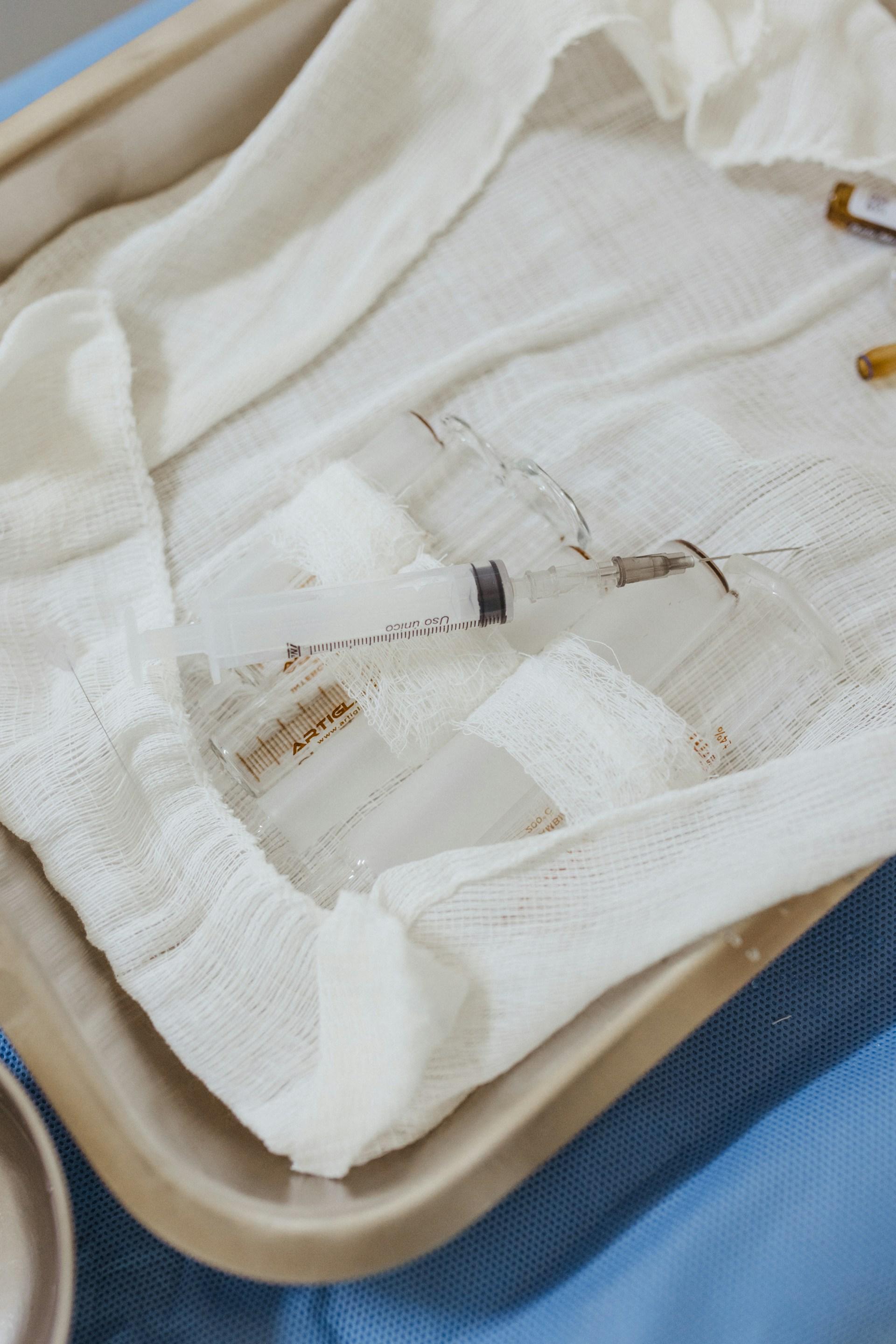
The 2‑month mark can feel like a big turning point. Your baby is a little more awake, starting to smile, maybe even coo back at you. It is also when the first major round of baby vaccinations usually happens in the UK vaccination schedule.
If you are feeling a mix of relief, nerves, and a bit of dread about those needles, you are not alone. Let’s walk through exactly what happens with vaccinations at 2 months, why they matter so much, what side effects you might see, and when to pick up the phone and call your GP or 111.
Why 2‑month vaccines are such an important milestone
At around 8 weeks, babies in the UK are offered their first big set of vaccines for infants. The timing is very deliberate.
Three key things are happening now:
-
Babies are extremely vulnerable to infections.
Diseases like whooping cough, meningitis, and pneumococcal infections can make adults very unwell, but for a young baby they can be life-threatening within hours. -
Maternal antibodies are fading.
During pregnancy, you pass protective antibodies across the placenta. They help for a short while, but they do not last. By 2 months, that early protection is starting to wane, and for some diseases it is already too low to rely on. -
These infections spread quietly.
Many of the germs we vaccinate against spread before people even know they are ill. Your baby cannot avoid them just by staying at home for a bit longer.
The 2‑month vaccines are the start of building your baby’s own long‑term protection. Think of this appointment as laying the foundations of their immune memory, so their body can recognise and fight these germs quickly in future.
What vaccines does my baby need at 2 months?
The exact names on your baby’s record can look like alphabet soup. Here is what is usually given at the 2‑month vaccination appointment in the UK and what each one is for.
Most surgeries use combination vaccines, so your baby needs fewer individual injections.
1. 6‑in‑1 vaccine (includes DTaP, IPV, Hib and Hepatitis B)
This is often called the 6‑in‑1 vaccine. It protects against:
-
Diphtheria
A throat infection that can block the airway and release a toxin that damages the heart and nerves. -
Tetanus
Caused by bacteria in soil entering cuts or wounds. It leads to severe muscle spasms and can stop breathing. -
Pertussis (whooping cough)
Particularly dangerous in young babies. They can struggle to breathe, turn blue, and may need intensive care. -
Polio (IPV 2 months)
A virus that can cause permanent paralysis. It is rare in the UK thanks to vaccination but still exists in some parts of the world. -
Haemophilus influenzae type b (Hib)
A major cause of bacterial meningitis and severe infections like epiglottitis (swelling in the throat) in babies and toddlers. -
Hepatitis B (hepatitis B 2 months)
A virus that affects the liver and can cause long‑term liver disease and cancer later in life.
DTaP at 2 months, plus IPV, Hib and Hep B together, means one injection covers six serious diseases at once.
2. Pneumococcal vaccine (PCV13 at 2 months)
You will often see this written as PCV13, or simply „pneumococcal vaccine 2 months“.
It protects against infections caused by Streptococcus pneumoniae, which can lead to:
- Meningitis
- Sepsis (blood poisoning)
- Pneumonia
- Ear and sinus infections
Babies are at higher risk of severe pneumococcal disease, especially in the first year.
3. Rotavirus vaccine 2 months (oral)
Rotavirus is a very contagious virus that causes:
- Severe diarrhoea
- Vomiting
- Dehydration
In older children it is miserable. In tiny babies it can quickly land them in hospital on a drip.
The rotavirus vaccine is given as a sweet liquid by mouth, not as an injection. It is a live, weakened virus vaccine and is very effective at reducing hospital admissions for tummy bugs.
4. Meningococcal B vaccine at 2 months (MenB)
On the UK schedule, babies are also offered the meningococcal B vaccine 2 months (MenB). This protects against one of the most common causes of bacterial meningitis and sepsis in babies and young children.
Meningococcal B disease can progress frighteningly fast. Some babies go from „a bit off‑colour“ to critically unwell within hours. That is why this vaccine is brought in so early.
Your GP or practice nurse will explain exactly which brands and combinations your baby is getting. If you are unsure at any point, it is absolutely fine to ask them to write it down or show you the vaccination schedule leaflet again.
What to expect at the 2‑month vaccination appointment
Knowing the practical details can make the day feel less stressful.
Before you go
-
Bring the Red Book.
Your baby’s Personal Child Health Record will be updated with the vaccines for infants they receive that day. -
Dress baby in easy‑to‑remove clothes.
Something that opens at the crotch or legs makes access to the thighs simpler. Avoid outfits with lots of poppers and tight layers. -
Feed if they are hungry.
You can breastfeed or bottle‑feed before or after, whichever suits your baby. Some parents like to feed during the injections to comfort them. -
Ask your questions.
If you have concerns about baby shots at 2 months side effects or anything you have read online, take a written list so you do not forget.
During the appointment
For vaccinations at 2 months, most babies receive:
- Multiple injections, usually:
- One in each thigh
- Sometimes an extra injection in one thigh, depending on how your surgery organises them
- One oral vaccine (rotavirus) given as a liquid into the side of the baby’s mouth
The nurse will:
- Check your baby’s details and go through which vaccines are due.
- Ask about any allergies or serious reactions in the past (for most 2‑month‑olds there will not be any).
- Give the injections quickly, one after the other, usually while you hold your baby.
- Give the rotavirus vaccine by mouth.
Yes, your baby will almost certainly cry. It is a sharp sting, but very brief. Most babies settle within a couple of minutes once they are cuddled, fed, or rocked.
Some parents find it hard to watch. That is normal too. You can look away while still holding your baby close if that feels easier.
Common side effects and what is normal
After 2 month vaccines, you may notice changes in how your baby behaves for a day or two. This is usually a sign that their immune system is doing its job.
Typical, expected side effects include:
-
Mild fever
- A temperature up to about 38.5 °C for 1–2 days
- Slightly warm skin, a bit flushed, maybe more sleepy or clingy
- Often more likely after the meningococcal B vaccine
-
Fussiness or grizzling
- A bit more upset or harder to settle than usual
- Short bursts of crying, but generally consolable with cuddles or feeding
-
Redness, swelling or a small lump at the injection site
- Usually on the thighs
- May feel a bit firm or warm to touch
- Can last a few days or sometimes a couple of weeks, but should slowly improve
-
Sleepiness
- Some babies sleep more than normal that day
- Others sleep less because they are uncomfortable or fussy
-
Reduced appetite
- Feeding a little less at some feeds
- Still having wet nappies and waking for feeds overall
These side effects are very common and are usually mild. They tend to settle on their own within 24 to 48 hours.
If your baby seems „a bit off“ but is still waking, having some milk, making wet nappies, and can be soothed at least some of the time, that is generally reassuring.
How to help your baby after the vaccines
You cannot take away the fact they had injections, but you can make them as comfortable as possible.
Here are practical ways to help:
-
Offer extra cuddles and skin‑to‑skin contact
Babies often want to be held more when they are not feeling their best. Sling or carrier time can help too. -
Feed more frequently if they want
Smaller, more frequent feeds can be easier than big ones. Whether breastfed or formula‑fed, follow their cues. -
Use infant paracetamol (acetaminophen) if advised
- The NHS recommends infant paracetamol after MenB vaccines in young babies to help with fever and discomfort.
- Only use the correct infant preparation and dose for your baby’s age and weight. The packaging and your nurse or GP will guide you.
- Do not give ibuprofen unless a healthcare professional specifically recommends it for your baby.
-
Cool cloth on the injection site
A clean, cool (not icy) damp cloth held gently on the area can help if it seems sore or hot. Do not rub the site firmly. -
Dress lightly if they are warm
If your baby has a mild fever, keep them in a single layer of clothing and a light blanket. The aim is to keep them comfortable, not to overwrap or to make them chilly.
Trust your instincts as well. If you want to cancel plans the next day and just have a quiet day at home, that is perfectly reasonable.
When to call the doctor or seek urgent help
Serious reactions to 2 month vaccines are very rare, but it is important to know what to look out for.
Call your GP, NHS 111, or seek urgent medical help if:
-
Fever is above 39 °C and lasts more than 48 hours
A short‑lived temperature is expected, but a high, persistent fever needs checking. -
Inconsolable crying lasts more than 3 hours
Babies cry, of course, but if your baby has a high‑pitched, continuous cry that goes on for more than 3 hours and you cannot comfort them at all, get advice. -
They are very floppy, difficult to wake, or unusually unresponsive
If they are much harder to rouse than usual or seem „not themselves“ in a way that worries you, do not wait. -
There is trouble breathing
Fast breathing, grunting, sucking in under the ribs, flaring nostrils, or any bluish tinge to the lips or face needs immediate emergency care (999 in the UK). -
Unusual rash appears
Especially:- A rash that does not fade when you press a glass against it
- Purple or bruise‑like spots
- A rapidly spreading rash with other signs like fever or drowsiness
-
Seizure (fit)
Seizures after vaccines are very rare. If your baby has any shaking, stiffening, or loss of consciousness, call 999.
Allergic reactions to vaccines typically happen within minutes, which is why you are often asked to stay at the surgery for a short while after baby vaccinations. Sudden swelling of the face or tongue, difficulty breathing, or collapse is an emergency, but again, this is extremely rare.
If you are simply not sure and feel uneasy, NHS 111 can talk through your baby’s symptoms and advise you.
Common worries about 2‑month vaccines
You are not being „paranoid“ or difficult by asking questions. Many parents share similar concerns, especially about 2 month vaccines. Let’s tackle a couple of the most common ones.
„Are there too many vaccines, too soon?“
This comes up again and again. The short answer: no, your baby’s immune system can easily cope.
A few points that often surprise people:
- From birth, babies are exposed to thousands of new germs every single day - on your skin, in the air, in milk, on clothes.
- The total number of antigens (the parts of germs that trigger an immune response) in modern vaccines is actually far lower than it was in the 1980s, even though we protect against more diseases now.
- Research from large studies in the UK and elsewhere has found no evidence that having multiple vaccines together weakens a baby’s immune system or makes them more likely to pick up other infections.
The vaccination schedule is designed so that each dose is given at an age when it will be most protective. Delaying them leaves babies unprotected at the time when they are at highest risk of severe disease.
„Do vaccines cause autism?“
This myth started with a single, now‑discredited paper from the 1990s that claimed a link between the MMR vaccine and autism. That paper has since been:
- Retracted by the journal that published it
- Discredited after serious ethical and scientific problems were uncovered
- The lead author was struck off the UK medical register
Since then, very large, well‑designed studies in several countries, including the UK, Denmark, and Sweden, have looked at hundreds of thousands of children. They found no link between vaccines and autism.
Autism is thought to begin before birth, related to early brain development and genetics. It is not caused by baby vaccinations or any of the ingredients in them.
If you would like to read more, the NHS website and the UK Health Security Agency both have plain‑language summaries of the evidence.
Balancing risk and protection
Being a parent now means being bombarded with opinions online. Some are well‑meant but misleading. When you strip it back, it comes down to this:
- The diseases we vaccinate against at 2 months - whooping cough, meningitis, polio, rotavirus, pneumococcal infections - can be devastating in young babies.
- The vaccines for infants used in the UK are constantly monitored for safety and effectiveness.
- Side effects are usually mild and temporary. Serious side effects are very rare.
You are not just following a „tick‑box“ vaccination schedule. You are actively giving your baby protection that, in past generations, parents could only have hoped for.
Final thoughts: you and your baby as a team
On the day itself, try to think of vaccinations at 2 months as teamwork:
- The vaccines do their part by teaching your baby’s immune system how to recognise dangerous germs.
- You do your part by comforting, cuddling, and keeping an eye on how they are doing afterwards.
- Your GP or nurse does theirs by answering questions and making sure baby vaccinations fit the recommended schedule.
If you go into the appointment knowing what to expect at 2 month vaccination appointments, the specific vaccines (DTaP 2 months, IPV 2 months, Hib, PCV13, rotavirus vaccine 2 months, hepatitis B 2 months, meningococcal B vaccine 2 months), and the normal baby shots 2 months side effects, that unknown‑factor anxiety drops quite a lot.
You know your baby better than anyone else. If something worries you after the vaccines, reach out for help. And if you feel a bit wobbly walking into that appointment but go anyway, that is not a small thing. It is one of the quiet, everyday ways you are protecting your child’s future health.
We as the developers of the Erby app disclaim any liability for any decisions you make based on this information, which is provided for general informational purposes only and is not a substitute for personal medical advice.