How to Change a Newborn Diaper - Timing, Technique, Poop Colors and Rash Prevention
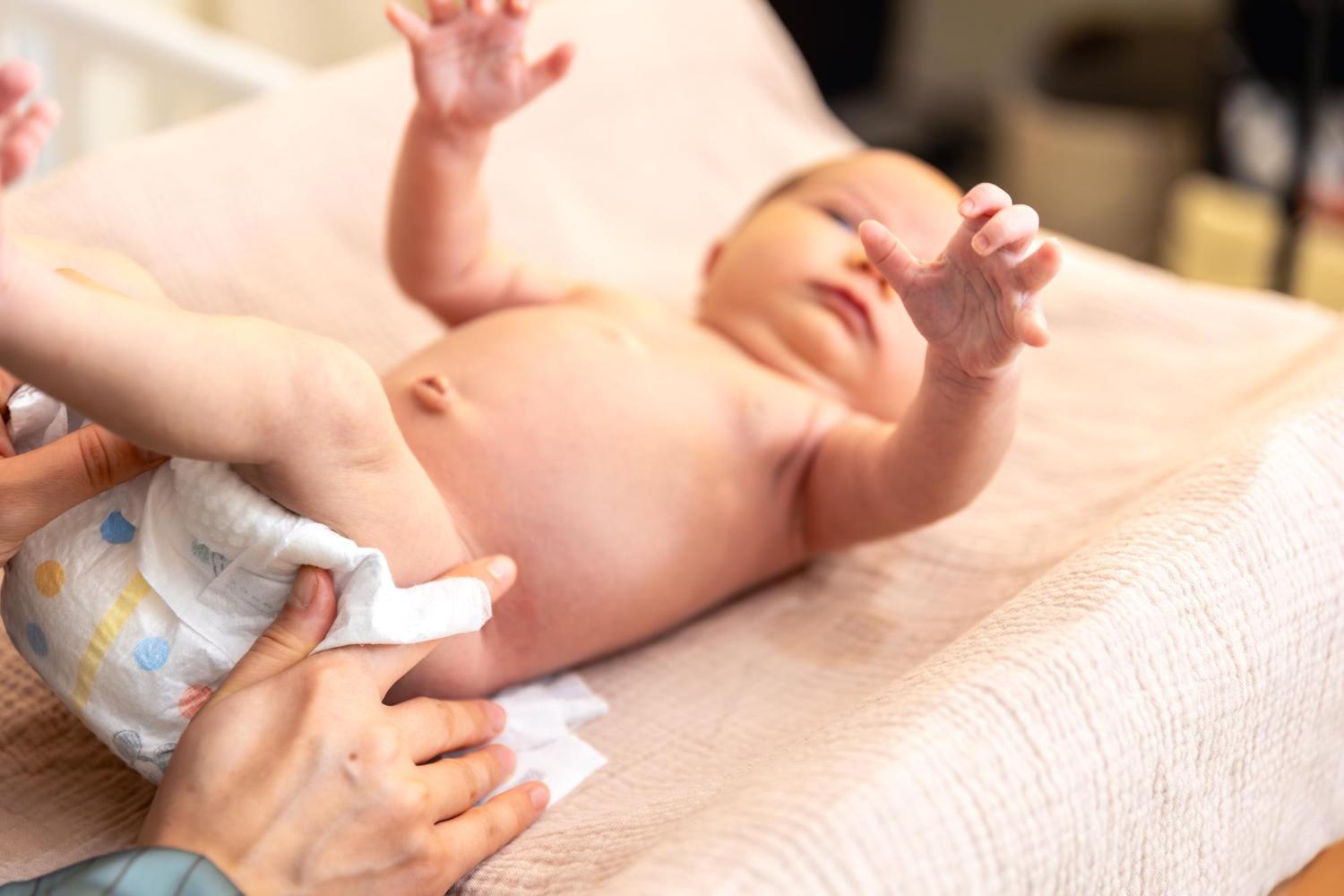
The first few diaper changes can feel like a stunt from a parenting reality show: tiny wiggly legs, mysterious newborn poop, and about fifteen wipes later you’re still not sure you’ve done it right. Take a breath. You’ll be doing this a lot, so it very quickly becomes second nature.
This guide walks you through how to change a diaper, how often to change a newborn diaper, what’s normal for newborn stool color, and how to keep your baby’s skin comfortable and free from diaper rash.
How often to change a newborn diaper
You’ll hear different “rules”, which is why it gets confusing. A good, simple rhythm for a newborn diaper is:
- Every 2–3 hours during the day, or
- After every feeding, and
- Immediately after a bowel movement
In the first weeks, a lot of parents in the UK simply link changes to feeds. Baby feeds, baby burps, baby gets a quick diaper change. That way you’re not constantly checking the nappy, but you’re still changing often enough to keep the skin dry.
A few more pointers:
- Wet only: You can usually wait up to 3 hours, unless the diaper feels very full or your baby seems uncomfortable.
- Poop: Change as soon as you notice it. Newborn poop is quite acidic and can irritate skin fast.
- Night-time: If your baby is sleeping soundly and the diaper is only wet, many parents leave it and change at the next night feed. If there is poop, change it, even at 3 a.m.
If you’re wondering specifically how often to change newborn diaper in the first week: expect 8–12 changes in 24 hours. It sounds a lot. It is a lot. It’s also normal.
Step-by-step: how to change a diaper
The exact technique varies from parent to parent, but this method is safe, simple and midwife-approved.
1. Get your supplies ready first
Before you start any diaper change, have everything within arm’s reach:
- Clean nappy (or two, in case of surprises)
- Baby wipes or a bowl of warm water with cotton wool
- Barrier cream or ointment (if you use one)
- Changing mat or towel
- Spare vest or babygrow if your baby is very young or you’re expecting a blowout
Lay your baby on their back on a safe, flat surface. Keep one hand on them if they’re on a raised changing table. Even tiny babies can wriggle suddenly.
2. Open and assess
- Undo the dirty diaper tabs.
- Gently lift your baby’s legs by holding the ankles together and raising the bottom slightly. Try not to pull up by the feet too high, as this can put pressure on the hips.
- If there’s a lot of poop, use the front of the dirty diaper to wipe the bulk of it away, folding that mess inward.
Slide the dirty nappy out and keep it folded under baby’s bottom for a moment if needed, just to catch any “encores”.
3. How to wipe properly (and how to wipe a baby girl)
Cleaning well is just as important as how often you change.
- For girls, always wipe front to back. This is the key rule in how to wipe a baby girl. Start at the pubic area and wipe towards the bottom to avoid spreading bacteria towards the urethra.
- For boys, wipe all around the penis and scrotum, again paying attention to creases. Do not pull back the foreskin.
A few more tips for everyone:
- Use clean wipes or fresh cotton wool for each wipe.
- Open up any little folds at the thighs, around the genitals, and between the buttocks. Poop hides. You will find it.
- If there is heavy soiling, go gently, with multiple soft wipes rather than scrubbing the same spot.
For very young babies or those with sensitive skin, plain warm water and cotton wool can be gentler than scented wipes.
4. Clean all the folds and let skin air-dry
Once everything looks clean:
- Check all skin folds: groin, thighs, behind the knees if the explosion was ambitious.
- Pat dry with a soft cloth, or simply wait 30–60 seconds and let the area air-dry. A bit of air is great for preventing diaper rash.
You can even leave the diaper off for a few minutes on a waterproof mat for extra air time. Just be prepared for a possible surprise sprinkle.
5. Apply barrier cream if needed
You do not have to use cream at every single diaper change. Many parents apply a thin layer:
- If the skin looks a bit red or irritated
- Overnight, when changes may be less frequent
- During teething or after vaccinations, when stools can be looser
A pea-sized amount is usually enough. Too thick a layer can clog the skin. Spread it lightly over the areas where the nappy touches, especially around the bum and groin.
6. Put on the clean diaper
- Slide the clean diaper under your baby’s bottom with the sticky tabs at the back.
- Pull the front up between the legs.
- Fasten the tabs so the diaper is snug but not digging in. You should be able to slide two fingers comfortably inside the waistband.
- For newborns, fold the front down below the umbilical stump so it stays clean and dry.
If you’re learning how to change newborn diaper and everything feels too big or too small, you can try a different size or brand. Different makes fit differently.
What’s normal in newborn poop
New parents talk about newborn poop a lot. That is because it changes fast and the colours can be quite dramatic.
Meconium stool (days 1–2)
In the first one or two days after birth, you’ll see meconium stool:
- Very dark, almost black
- Sticky, like tar
- Odourless or only mildly smelly
This is normal. It is made up of what your baby swallowed in the womb. It can be harder to wipe off, so having a bit of warm water and cotton wool helps.
Transitional stool (days 3–4)
Around day three, things start to change:
- Colour becomes dark green or greenish-brown
- Texture becomes less sticky, more like thick paste
- Quantity usually increases
This is called transitional stool and is a sign your baby is starting to digest milk properly.
Yellow seedy stool (from about day 5)
By day five, for breastfed babies, you’ll usually see:
- Yellow or mustard-coloured poop
- Runny or soft, with little seedy or grainy bits
- Quite frequent, often several times a day
This is classic newborn stool color for a breastfed baby and is totally fine. Formula-fed babies may have:
- Yellow, tan or light brown stool
- Slightly thicker, like peanut butter
- Less frequent, but usually at least once a day in the early weeks
If you see pale grey, white, or consistently bright red stool, contact your GP or NHS 111. Those are not typical newborn colours and should be checked.
Wet diapers as a feeding indicator
Those soggy nappies are actually one of the simplest ways to check feeding.
So, how many wet diapers newborn should have?
A common UK guideline looks like this:
- Day 1: at least 1 wet diaper
- Day 2: at least 2 wet diapers
- Day 3: at least 3 wet diapers
- Day 4: at least 4 wet diapers
- Day 5 and beyond: 6 or more wet diapers in 24 hours
When people say “wet diapers newborn” they usually mean nappies that feel heavy and cold to the touch, or show a blue line if you’re using disposables with a wetness indicator.
If you are consistently seeing fewer wet nappies than expected, or the urine is very dark and strong-smelling, call your midwife, health visitor, or GP. It can mean your baby is not getting quite enough milk.
Disposable vs cloth diapers: pros and cons
You can use either. Plenty of UK families mix both, using disposables at night or when out, and cloth at home.
Disposable diapers
Pros:
- Very convenient, especially in the early weeks
- Quick to change, good when you are sleep deprived
- Easily available in supermarkets and chemists
- Great for outings and travel
Cons:
- Ongoing cost adds up
- More household waste
- Some brands contain fragrances or lotions that irritate sensitive skin
Cloth diapers
Pros:
- Can save money in the long run, especially if used for more than one child
- Less rubbish going to landfill
- Many parents find fewer rashes once they get the washing routine right
- Lots of cute patterns, if that sort of thing makes the constant diaper change slog nicer
Cons:
- Higher upfront cost
- You need to wash and dry them regularly
- Can feel bulkier under clothes
- Slightly more learning at the start for how to fit them
If you are not sure, you can try a nappy library scheme, which some UK councils or community groups run, to test different reusable nappies before you commit.
Preventing diaper rash
Even with perfect care, some babies get diaper rash occasionally. Their skin is thinner than ours and very sensitive. You can reduce the chances of a sore bottom with a few simple habits.
Keep the area as dry and clean as possible
- Follow the “every 2–3 hours or after every feed” guideline for how often to change a diaper.
- Change immediately after bowel movements.
- Use gentle, fragrance-free wipes or just warm water and cotton wool, especially in the first weeks.
Let the skin breathe
- Give some nappy-free time daily if you can, even 5–10 minutes. Lay your baby on a towel or waterproof mat and let the air get to their skin.
- Make sure the diaper is not too tight. If it is leaving deep red marks around the thighs or waist, loosen the tabs a notch.
Use barrier cream sensibly
- Apply a thin layer of barrier cream where the nappy sits if the skin looks red or if your baby is prone to rashes.
- If you are already dealing with a rash, change diapers more frequently and allow extra air-drying time.
Watch for signs of infection
Call your GP, midwife, or health visitor if:
- The rash is very bright red and seems painful
- There are blisters, open sores, or pus
- The rash is not improving after 2–3 days of careful cleaning and cream
- Your baby seems unusually unsettled or has a fever as well
Sometimes a fungal or bacterial infection develops on top of a simple diaper rash, and a short course of prescribed cream sorts it out.
You are learning a new skill, not sitting an exam
Those first days, nappy time can feel like a test you are about to fail. You are not. You are learning, and so is your baby.
You will fumble tabs. You will put a diaper on backwards at least once. Every parent does. What matters is:
- You change often enough.
- You clean gently and thoroughly, especially in the folds.
- You keep an eye on newborn poop changes and wet diapers newborn counts.
The rest, with practice, becomes muscle memory. Before long you will be able to change a diaper in the dark, half-asleep, with one eye open and a cup of tea cooling on the bedside table.
And that, honestly, is expert level.
We as the developers of the Erby app disclaim any liability for any decisions you make based on this information, which is provided for general informational purposes only and is not a substitute for personal medical advice.