How to Choose a Baby Carrier - Practical Guide to Wraps, Slings, Mei Tai and Buckle Carriers
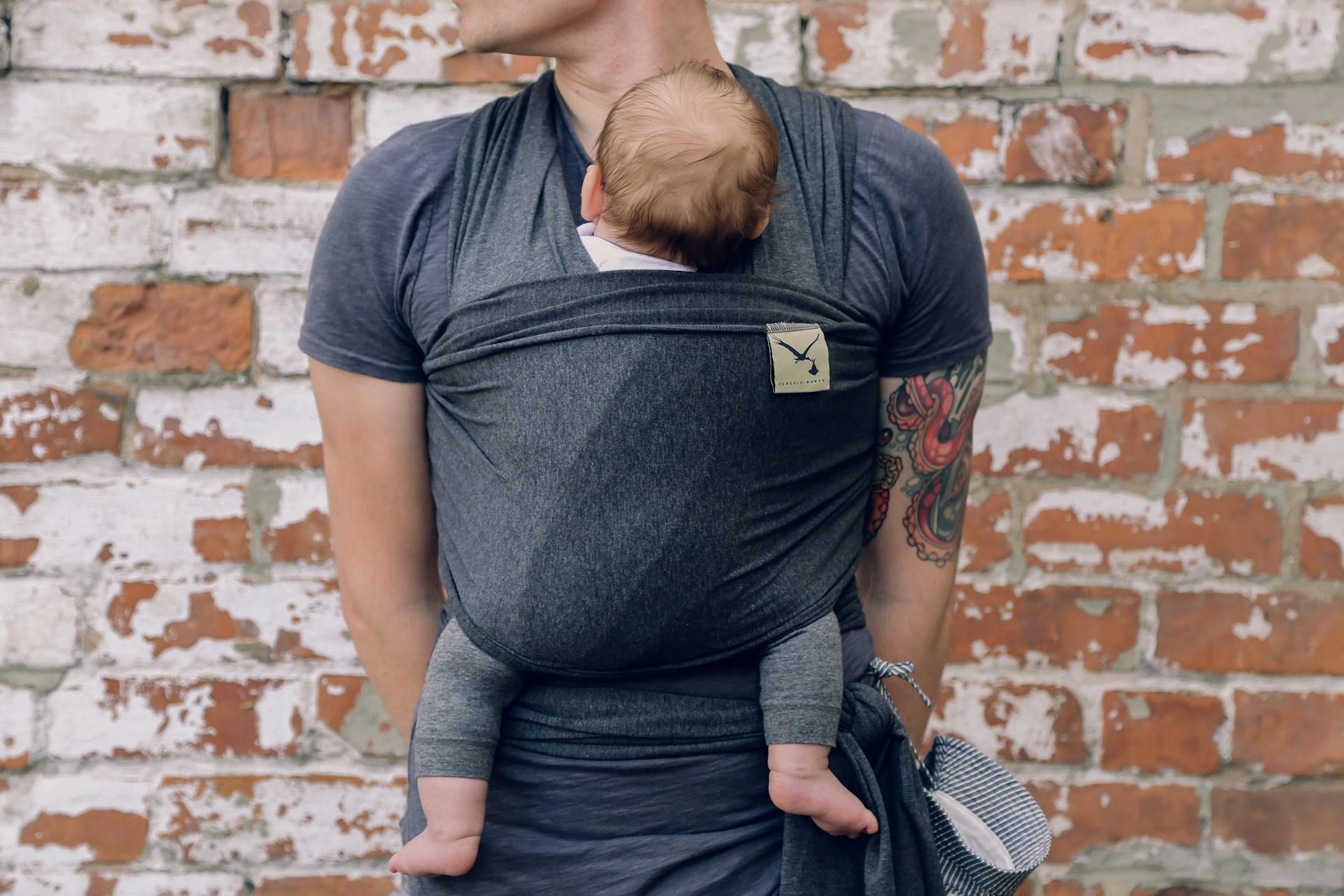
Baby carriers can be a total game-changer in those hazy newborn weeks. Hands free, baby calm, you can make a cup of tea with both hands again. But walk into any baby shop in the UK and you’re hit with a wall of wraps, slings, clips and buckles. Stretchy wrap or ring sling? Ergonomic baby carrier or mei tai? It can feel like you need a degree just to choose a baby sling.
You really don’t. You just need clear information and a bit of realistic expectation.
This guide walks you through how to choose a baby carrier, the main types you’ll see, the real pros and cons, safety basics like the TICKS rules, and what to look for if you want the best baby carrier for your family and your budget.
Why babywearing is worth considering
Before diving into brands and straps, it helps to know why so many parents swear by babywearing.
Key babywearing benefits
1. Hands free, finally
A good baby carrier keeps baby close while you:
- Make a sandwich without balancing baby on your hip
- Put a wash on
- Walk the dog
- Get on a crowded bus without wrestling a pram
You’re not chained to the sofa. That alone can make early motherhood feel less suffocating.
2. Soothes fussy babies
Many parents find a carrier works better than the pram for unsettled babies. The movement of your walking, the sound of your heartbeat, your smell, all of it calms them.
This is especially handy in the late afternoon “witching hour” when nothing else seems to work. A lot of parents say their baby carrier for colic or evening fussiness becomes their most used baby item.
3. Promotes bonding
Skin to skin is not just for the hospital. Wearing your baby close helps with:
- Milk supply, when you’re breastfeeding
- Reading baby’s early hunger cues
- Building confidence in handling your newborn
It can be lovely for partners too. A ring sling or ergonomic baby carrier can give dads and non-birthing parents a very practical way to connect.
4. Can help with colic and reflux
An upright position can ease discomfort for some babies with colic or reflux. Being gently rocked in a baby sling after feeds can help trapped wind move through, and some parents find their babies cry less when worn.
It’s not a magic cure, but a carrier often becomes the “this usually works” option when you’ve run out of ideas.
5. Supports healthy hip development (when used correctly)
A good ergonomic baby carrier supports baby in the so‑called “M‑position”:
- Knees higher than bottom
- Legs spread comfortably around your body
- Hips supported from knee to knee
This position supports healthy hip development and is recommended for baby carriers for newborn and young infants, especially for those at risk of hip dysplasia.
The main types of baby carrier: pros and cons
There is no single “best baby carrier” that suits every family. It depends on your baby’s age, your body, your budget, and how patient you are with fabric.
We’ll look at:
- Stretchy wrap
- Woven wrap
- Ring sling
- Mei tai
- Ergonomic structured carrier
For each, you’ll get a realistic view: when it shines and when it’s just annoying.
Stretchy wrap
A stretchy wrap is a long piece of soft, stretchy fabric that you tie around your body and tuck baby into.
Brands vary (e.g. Boba Wrap, Moby, Close Caboo which is semi‑pre‑tied), but the idea is the same.
Who it suits
- Perfect as a baby carrier for newborn days up to roughly 4–6 months, depending on weight and brand
- Great if you like that super snuggly, “wearing a t‑shirt made of baby” feeling
- Popular with people who will mainly carry on the front, indoors and on short walks
Pros
- From birth: Many are approved from around 3.2 kg / 7 lb. Very suitable for tiny babies when used correctly.
- Very snug and cosy: Often the best wrap for newborn comfort. Baby feels like they’re back in the womb.
- Even weight distribution: Fabric spreads over both shoulders and your torso, which helps your back.
- One tie, in and out: Once you learn to tie, you can keep it on and pop baby in and out during the day.
- Good value: Often cheaper than a structured ergonomic baby carrier in the UK, especially second‑hand.
Cons
- Learning curve: The first few times, you’ll probably swear at the fabric. Watching a video or going to a sling library helps.
- Gets hot: It’s like wearing an extra tight t‑shirt plus a baby. In summer or in heated shops, both of you can overheat.
- Limited lifespan: As baby gets heavier and starts wriggling, the stretch can feel less supportive and “bouncy”. Most people move on by 6–9 months.
- Not ideal for heavy babies long term: Your shoulders and back may complain once baby is 8–9 kg+.
Woven wrap
A woven wrap looks similar to a stretchy wrap but is made from sturdy woven fabric with no stretch. Think more “supportive scarf” than t‑shirt.
Who it suits
- Parents who want one carrier from birth to toddlerhood
- People willing to learn a bit of wrapping technique
- Those who like the idea of multiple carrying positions
Pros
- From birth: Can be used with tiny babies when wrapped correctly.
- Most versatile option: Front, hip, back carries, single layer for summer, multi‑layer for winter. One good woven wrap can do almost anything.
- Very supportive: Handles heavier babies and toddlers better than a stretchy wrap, still comfortable at 2 or even 3 years.
- Adjusts to any body type: Works for very petite to plus size wearers, and can be shared between parents.
- Huge choice of fabrics: From light cotton to blends with linen or wool if you want extra support or coolness.
Cons
- Steepest learning curve: You’ll be learning different knots and passes. Some parents enjoy this, others hate it.
- Slower to put on: Not as grab‑and‑go as a buckle carrier when you are in a hurry in a car park.
- Fabric can drag: Wrapping in British drizzle over a muddy pavement with long fabric tails is… interesting.
- Overwhelming choice: Sizes, blends, brands. It can be a rabbit hole.
If you like the idea but feel intimidated, a local sling library or babywearing consultant in the UK can show you 1 or 2 simple carries. Often that’s enough.
Ring sling
A ring sling is a short length of woven fabric with two rings sewn at one end. You thread the fabric through the rings to create a pouch for baby on your front or hip.
Who it suits
- Parents wanting quick on/off, especially for short trips
- Breastfeeding parents who want to feed in a carrier
- Babies who like being held on the hip
Pros
- From birth: Works for tiny babies when tightened correctly and worn high.
- Very fast to use: Once set up, you can pop baby in and out in seconds. Brilliant for nursery runs or popping into the shop.
- Great for feeding: Many find a ring sling one of the easiest options for breastfeeding discreetly on the go (always adjust baby back to a safe position afterwards).
- Compact: Takes very little room in the changing bag.
- Stylish: Looks more like a scarf than “baby gear”. Some parents like that.
Cons
- One‑shoulder carry: All weight is on one shoulder, so not the best for very long walks or heavier babies.
- Learning the “sweet spot”: You need to get comfortable tightening through the rings and positioning baby high enough.
- Can slip if poorly threaded: Baby carrier safety depends on learning to thread and tighten correctly.
- Not always the best for bad backs: If you have shoulder or neck issues, it might not be ideal as your main carrier.
Ring slings are brilliant as a second option: maybe a structured carrier for long walks and a ring sling for quick school runs or park trips.
Mei tai (also called meh dai)
A mei tai is a panel of fabric with four straps: two go over your shoulders, two tie around your waist. It is like a cross between a wrap and a buckle carrier.
Who it suits
- Parents who like a softer feel than buckles but easier than full wrapping
- Families wanting something that can be shared between multiple wearers
- People planning to carry beyond the newborn months
Pros
- Fairly easy to use: Most people get the hang of it quickly, especially if buckles feel intimidating at first.
- Good weight distribution: Shoulder straps spread over your back, waist straps tie where comfortable.
- Multiple carry positions: Front, hip, and back carries depending on brand and baby’s age.
- Adjustable to different bodies: No fixed straps or buckles, so it tends to fit a wide range of sizes.
- Soft and packable: Often folds down smaller than a structured ergonomic baby carrier.
Cons
- Usually from around 3+ months: Many mei tais are not designed for tiny newborns unless they are specifically adjustable or “half‑buckle” styles. Check the weight limit.
- Tying can be awkward at first: Long straps can drag on the ground when you practice.
- Not as quick as buckles: You still have to tie knots, which some find faffy in car parks or on rainy days.
- Quality varies: Some cheap versions on big online marketplaces are not very supportive or ergonomic.
If you like the idea of fabric but want less of a learning curve than a woven wrap, a mei tai can be a good halfway house.
Ergonomic structured carrier (buckle carrier)
These are the most recognisable: padded straps, a fabric panel, buckles to clip around your waist and shoulders. Popular UK examples include Ergobaby, BabyBjörn, Beco, Tula and many others.
Who it suits
- Parents wanting the easiest to use option
- Families planning lots of walks, days out, or long carries
- People sharing one carrier between different adults
Age and inserts
- Some models are baby carriers for newborn without needing extra inserts, designed from around 3.2 kg onwards.
- Others are from 4+ months unless you buy a separate newborn insert.
- Always check the label. “From birth” must also match your baby’s actual weight and size.
Pros
- Very quick to put on: Buckle the waistband, put baby in, clip shoulder straps, tighten. Ideal when it is raining and you are at the car boot.
- Easy to adjust: Straps and seat width can be adjusted for different body shapes and for growing babies.
- Comfortable for longer walks: Good ergonomic baby carriers spread weight to hips and shoulders. Great for UK country walks where a pram is useless.
- Multiple positions: Many offer front inward, front outward (from a certain age), hip, and back carries.
- Clear instructions: Usually comprehensive manuals and videos from the brand.
Cons
- Price: A high‑quality ergonomic baby carrier in the UK often costs £80–£150 new.
- Bulkier: Takes up more space in a nappy bag than a wrap or sling.
- Not all “ergonomic” carriers really are: Some older or cheaper designs let baby hang by the crotch without proper thigh support.
- Can be less snuggly for tiny newborns: Structured fabric is not as “cocoon‑like” as a stretchy wrap.
For many parents though, if you want the best baby carrier to grab quickly and use with minimal thought, a well‑designed ergonomic structured carrier is hard to beat.
Safety first: the TICKS rules
No matter which type you choose, baby carrier safety is non‑negotiable. In the UK, babywearing organisations and sling libraries often teach the TICKS guidelines.
TICKS stands for:
-
T - Tight
The carrier should be tight enough to hold baby snug against your body. No slumping, no gaps. Loose fabric can let baby curl, which affects breathing. -
I - In view at all times
You should always be able to see baby’s face by just glancing down. Do not cover their face with fabric, blankets or your clothing. -
C - Close enough to kiss
Baby’s head should be high on your chest, close enough that you can kiss the top of their head without straining. -
K - Keep chin off chest
Baby’s chin must not be tucked onto their chest. Aim for at least a finger‑width space under their chin so the airway stays clear. -
S - Supported back
The carrier should support baby’s back in its natural position, without them slumping. For newborns, this usually means a gentle curve, not rigidly flat.
When you learn how to wear a baby carrier, run through TICKS each time until it becomes second nature.
What to look for in an ergonomic baby carrier
Whether you end up with a wrap, sling or buckle carrier, there are some common features that affect comfort and safety.
1. Proper hip support and the “M‑position”
For healthy hip positioning:
- Baby’s knees should be higher than their bottom, forming an “M” shape with their thighs and bottom
- The seat should support from knee to knee, not just at the crotch
- Legs should be spread comfortably around your body, not dangling straight down
If you are looking at a structured baby carrier in a shop, check how wide the seat is and whether it can be adjusted for a newborn or small baby. Many newer carriers offer a narrowing seat panel for smaller babies and then expand as they grow.
2. Adjustable seat and panel
A “grows with your baby” design can save money long term:
- Width adjustment: For different leg spans and age stages
- Height adjustment: For torso length, so you can keep smaller babies close enough to kiss
- Newborn settings: Some have clever cinching or inserts so they can function as baby carriers for newborn safely
Adjustability is especially handy if more than one adult will use the carrier.
3. Head and neck support for newborns
New babies cannot hold their heads yet. If you want the best baby carrier for newborn months, look for:
- A panel or headrest that comes up high enough
- Ability to adjust fabric snugly behind the neck
- No floppy gaps where baby’s head can roll back
With wraps and ring slings, this comes from tightening the fabric correctly around the neck and shoulders. With structured carriers, look for a firm but gentle headrest or integrated hood that can support the back of the head, not cover their face.
4. Breathable fabric
Think about UK weather and your lifestyle:
- For warm homes or summer, look for lighter fabrics, mesh panels, or 100% cotton.
- For winter, remember you can add layers on top of the carrier (your coat, babywearing cover), rather than putting baby in a padded snowsuit inside the carrier, which can be unsafe and too hot.
Stretchy wraps in thick jersey can get quite hot. If you are a “run warm” person, a lighter stretchy or a breathable ergonomic baby carrier might suit you better.
5. Comfort for you (not just the baby)
Happy parent, happy baby. Pay attention to:
- Waistband: Is it padded? Does it dig in or sit on a C‑section scar?
- Shoulder straps: Well padded, wide enough, and shaped in a way that suits your shoulders?
- Adjustability: Can you tighten and loosen on your own? Front‑tightening buckles can be easier, especially if you have limited mobility in your shoulders.
- Weight range: Check that it covers what you need. If you plan to carry into toddlerhood, look for a higher upper weight limit.
Budget considerations: what do you really need to spend?
In the UK, prices for baby carriers vary a lot:
- Basic stretchy wraps: around £25–£45
- Ring slings and mei tais: roughly £40–£90 depending on brand and fabric
- Ergonomic structured carriers: roughly £70–£160 new
Some thoughts that might help:
- You do not need a £150 carrier for it to be safe and comfortable. There are reliable mid‑range options.
- Beware of very cheap, no‑brand carriers from random online sellers that do not show safety testing or ergonomic design. A bargain is not worth back pain or poor positioning.
- Second‑hand is common and sensible: Baby carriers are often used for a relatively short period, then sold on in good condition. Facebook selling groups, local parenting groups, and marketplace apps can all be good sources.
- Check recall history and condition: Make sure buckles are solid, stitching intact and the brand has no recent safety recalls.
Think about cost per use. If you use one good ergonomic baby carrier every day for a year, even a £120 carrier works out at about 30p per day. Still, that does not mean the priciest one is the best baby carrier for you. Fit and comfort matter more than logo.
Try before you buy if you can
Baby carriers are like jeans. The one your friend swears by might feel all wrong on you.
In the UK, sling libraries are brilliant for this. You can:
- Try different types (stretchy wrap, woven wrap, ring sling, mei tai, buckle carrier)
- Get help with fittings and how to wear a baby carrier safely
- Borrow a carrier for a few weeks for a few pounds, then decide what you like
Search online for “sling library + your town” or ask your midwife, health visitor, or local parenting group. Many libraries run drop‑in sessions at children’s centres or community halls.
If you are buying from a shop, ask:
- Can I try this on with my baby?
- Do you offer fittings or advice?
- What is your returns policy if this does not suit us at home?
Trust your body. If a carrier feels wrong, rubs, or makes you hunch your shoulders, that is not the best baby carrier for you, no matter how good the reviews are.
So, which baby carrier should you choose?
A few common scenarios, just to pull it together:
-
“I want the snuggliest option for the first 3–4 months.”
A stretchy wrap is often the best wrap for newborn comfort. Pair it with later purchase of a buckle carrier if you still love babywearing. -
“I want one carrier that can work from newborn to toddler.”
A highly adjustable ergonomic structured carrier or a woven wrap. Go to a sling library to compare. -
“I need easy and fast for school runs and popping into the shops.”
A ring sling or buckle carrier that you can put on in seconds. -
“I like the idea of fabric, but full wrapping feels too much.”
Try a mei tai or a half‑buckle carrier for a softer feel with simpler use.
Remember, you are not choosing a forever partner. You are choosing a tool for a particular season of life. Your first carrier might not be your last, and that’s fine.
If you focus on:
- Safe positioning (TICKS and the M‑position)
- Comfort for both of you
- Your real daily routine and climate
- A sensible budget, possibly using second‑hand or sling libraries
you will end up with a baby carrier that genuinely makes early parenthood easier, not more complicated.
And on those evenings when your arms ache, the baby will not settle, and the washing up is glaring at you from the sink, having a carrier that you can trust and use confidently is worth far more than any marketing claim about the “best baby carrier on the market”. It just quietly does its job while you get on with yours.
We as the developers of the Erby app disclaim any liability for any decisions you make based on this information, which is provided for general informational purposes only and is not a substitute for personal medical advice.