When to Take Your Newborn Outside: First Walks, Timing, Clothing and Packing Tips
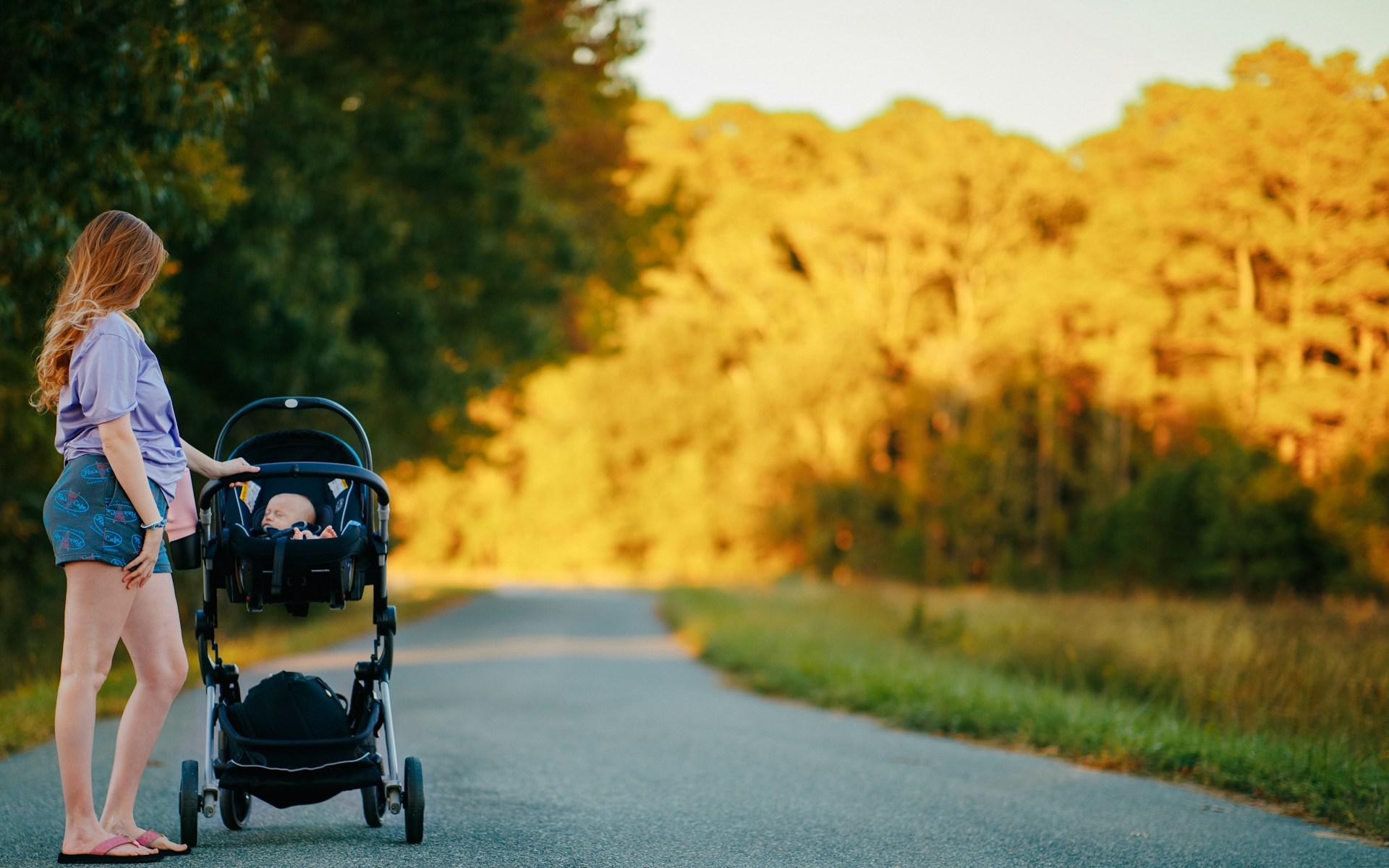
You’ve made it through birth, survived those first hazy days at home, and now you’re staring at the newborn stroller wondering: “Can I take my newborn outside yet?” or “How soon is too soon for a baby first walk?”
Let’s clear it up and take the pressure off. There is no magic date circled on the calendar. What matters is your baby’s health, the weather, and how you feel. This guide walks you through when to start newborn walks, how long to stay out, how to dress your baby, and what to pack so that first walk with a newborn feels simple instead of stressful.
When can I take my newborn outside?
There is no strict rule about when to take a newborn out. Many UK paediatricians and health visitors are comfortable with short walks a few days after discharge from hospital, as long as:
- Your baby is healthy and feeding well
- You feel up to it
- The weather is reasonable (not extreme heat or bitter cold)
Warm weather vs cold weather
Weather plays a big part in deciding how soon to take a newborn outside:
-
Mild or warm weather (around 18–24 °C)
You can usually go for very short walks within a few days of coming home. Some parents in the UK head out for a gentle stroll on day three or four. -
Cooler weather (around 5–15 °C)
Still fine for a newborn walk, as long as you dress your baby in layers and keep an eye on wind and rain. -
Taking newborn out in winter (0 °C and below)
You can still take a baby out, but be more cautious. Keep outings short, avoid strong wind, and avoid extreme cold below about -10 °C. If it feels painfully cold on your face, it is probably too harsh for a tiny baby. -
Very hot days (above 30 °C)
Best to limit time outside and avoid the hottest part of the day. Babies overheat quickly. If you are wondering “can I take newborn outside in a heatwave?”, the answer is: only for very short periods, in the shade, during cooler hours.
If your baby was premature or has any medical issues, check with your midwife, health visitor, or GP before that first longer outing.
Why bother? Benefits of taking a newborn outside
When you are exhausted and still in pyjamas at noon, a walk might feel like too much effort. But there are real benefits of taking a newborn outside - for both of you.
For your baby
-
Fresh air and gentle stimulation
New sounds, light, and movement help your baby’s brain learn about the world. A quiet walk is enough, no need for busy places. -
Daylight and sleep rhythm
Natural daylight helps set your baby’s circadian rhythm. Regular daytime walks (especially in the morning) gently teach your baby the difference between day and night. That can mean slightly better sleep patterns over time. -
Newborn vitamin D sun exposure
In the UK, the NHS recommends vitamin D supplements for breastfed babies, because our sun is often not strong enough. Still, a bit of daylight is good for baby’s body clock and overall well-being, as long as their skin is protected from direct sun.
For you
-
Mental health boost
Leaving the house can break that “stuck indoors” feeling. Several UK studies on postnatal mental health link light physical activity and time outdoors with better mood and lower anxiety. -
Gentle movement after birth
A slow walk helps your body recover, especially if you have been sitting or lying down a lot. You do not need to power-walk. Just a loop around the block counts. -
Change of scenery
Sometimes, simply enjoying a coffee on a park bench while baby naps in the newborn stroller feels like a small miracle.
How long should a newborn be outside?
Another common worry: how long for newborn outside is safe?
A simple rule of thumb:
- Start with 15–20 minutes for your first baby first walk
- Gradually increase to 30–60 minutes if baby is comfortable and weather is mild
- In winter or very hot weather, keep it shorter and more frequent rather than one long walk
Watch your baby. They will tell you a lot:
- Too hot: sweaty neck, damp hair, flushed cheeks, fast breathing, very unsettled
- Too cold: cool hands and feet are normal, but if the chest or back feels cold, or baby is pale and unusually sleepy, head indoors and warm up
For very young babies, you do not need to stay out for hours. A short, calm walk once or twice a day is enough to get the benefits.
Best time of day for a baby first walk
Timing makes a big difference, especially in summer.
-
Summer:
- Aim for morning (before 11 a.m.) or late afternoon / early evening.
- Avoid the midday sun, when UV and heat are strongest.
- Look for shaded routes - tree-lined streets, parks, or paths beside buildings.
-
Spring and autumn:
These seasons in the UK are usually ideal. Mid-morning or mid-afternoon walks work well. -
Winter:
Try to walk during the warmest, brightest part of the day, often around late morning to early afternoon. Avoid dark, icy evenings with a newborn if you can.
Weather guidelines at a glance
Here is a quick reference for when to take baby out based on temperature:
-
Above 30 °C
- Too hot for long walks.
- Short, shaded outings only, in the coolest hours.
-
Around 20–25 °C
- Ideal walking weather.
- One light layer more than you are wearing is usually enough for baby.
-
Around 10–20 °C
- Still good for a newborn walk.
- Use layers, hat, and possibly a blanket.
-
0–10 °C
- Fine with warm clothing and a cosy footmuff or blanket.
- Limit time outside if windy or damp.
-
Below -10 °C
- Generally best to avoid taking newborn out in winter for more than a few minutes.
- If you must go out, keep it very short and make sure baby is fully protected from cold and wind.
Always adjust for wind chill and humidity. A damp, windy 5 °C can feel much colder than a still, dry day just above freezing.
How to dress your baby for a walk
New parents often fret more about clothing than anything else. The usual advice stands: dress your baby in one more layer than you’re wearing.
Basic layering guide
For a typical UK day around 15–20 °C:
- Cotton vest (short or long sleeve, depending on breeze)
- Sleepsuit or soft outfit
- Light cardigan or jacket
- Hat to keep the head warm or shaded
- Socks, and booties if it is cooler
In cooler weather (5–10 °C), add:
- A thicker jacket or pram suit
- Blanket over the baby once they are in the newborn stroller
- Footmuff if your pram has one
In warmer weather (20–25 °C):
- Thin cotton vest
- Thin sleepsuit or romper
- No extra jacket, just keep baby shaded
- Light hat to block sun, but avoid overheating
In very warm weather, a single breathable layer plus a light muslin over the legs (if shaded) is often enough.
Quick checks
- Feel the back of baby’s neck or chest. That gives a better idea of body temperature than hands or feet.
- Slightly cool hands and feet are normal.
- If the neck feels hot and sweaty, remove a layer.
Stroller, sling, or pram?
You can use whichever is safest and most comfortable for you:
-
Newborn stroller or pram with lie-flat position
Ideal for very young babies, supports the spine and lets them sleep comfortably. Make sure the stroller has a good sunshade and rain cover. -
Soft sling or baby carrier
Great for bonding and keeping baby close. Remember your own body heat counts as an extra layer in cooler weather, so dress baby in slightly lighter clothes underneath.
Avoid covering the front of the stroller completely with a thick blanket or cloth, as this can trap heat and reduce airflow. A proper sunshade on stroller or a breathable muslin draped loosely to create shade works better.
Avoiding crowds and sick people
Your baby’s immune system is still immature in the first months. Fresh outdoor air itself does not carry harmful levels of germs, which means germs from outdoor air are not a concern.
Crowds are a different story.
Try to:
- Skip busy shopping centres and packed indoor spaces in the early weeks
- Politely avoid people who are coughing, sniffling, or clearly unwell
- Ask friends and relatives not to kiss your baby’s face or hands if they have even mild symptoms
Quiet parks, residential streets, and calm outdoor cafés are usually much safer than crowded indoor venues.
Baby first walk checklist: what to pack
To keep that first outing simple, have a small baby first walk checklist ready. A well-packed changing bag makes life easier if you end up staying out longer than planned.
Essentials:
- Nappies (more than you think you will need - at least 3–4)
- Wipes
- Nappy bags
- Changing mat (foldable)
- Change of clothes for baby (vest + sleepsuit or outfit)
- Extra blanket in cooler weather or a light muslin in warmer weather
- Feeding supplies, depending on how you feed:
- Breastfeeding: breast pads for you, muslin cloth for spills
- Formula feeding: pre-measured formula and cooled boiled water in bottles, or ready-made formula cartons, plus a spare bottle
- Your essentials: phone, wallet, water bottle, snack
- Weather extras:
- Sunhat and stroller sunshade in summer
- Rain cover for the newborn stroller
- Thin mittens and warmer hat for colder days
You do not need to pack half the nursery. Focus on nappies, feeding, warmth, and your own comfort.
Common fears about the first walk
New parents often share the same worries before that first proper outing. Let’s tackle the big ones.
“What if my baby cries outside?”
Babies cry. Inside, outside, in the car, in the queue at Tesco. It is completely normal.
A few tips:
- Keep walking - the motion of the newborn stroller often settles them
- Check the basics: nappy, hunger, temperature
- If needed, find a bench or quieter spot, pick them up for a cuddle, and try again
No one walking past is judging you as harshly as you might think. Most people either do not notice or they remember their own days with a crying newborn and feel sympathy.
“Can I feed my baby outside?”
Yes. You can feed outside, whether breastfeeding or bottle feeding. Many UK cafés and parks are very breastfeeding-friendly, and you have the legal right to breastfeed anywhere you are allowed to be.
For breastfeeding:
- Wear a top that makes access easy
- Use a muslin or scarf if you feel more comfortable being a bit covered, but you absolutely do not have to
For bottle feeding:
- Make sure formula is prepared safely
- If using ready-made cartons, they are easy to carry and pour into a sterile bottle
“Will my baby get sick from being outside?”
For healthy newborns, fresh outdoor air is not a problem. The main risks come from:
- Close contact with sick people
- Crowded, poorly ventilated indoor areas
A quiet walk in the park is usually far safer than a long visit to a busy shopping centre.
Final thoughts: keep it simple and gentle
Your baby’s first walk is not a test you either pass or fail. It is just a short, gentle step back into the world with a tiny new person in tow.
Start small:
- Choose a mild day and a quiet route
- Aim for 15–20 minutes
- Dress baby in layers, pop them in the newborn stroller, and bring a basic bag of essentials
If you find yourself searching online again for “when to take newborn outside” or “how soon to take newborn outside”, remember this: if your baby is healthy, the weather is sensible, and you feel ready, then today is probably a good day for that first walk.
We as the developers of the Erby app disclaim any liability for any decisions you make based on this information, which is provided for general informational purposes only and is not a substitute for personal medical advice.