How to Build a Simple 20-30 Minute Bedtime Routine for Your Baby
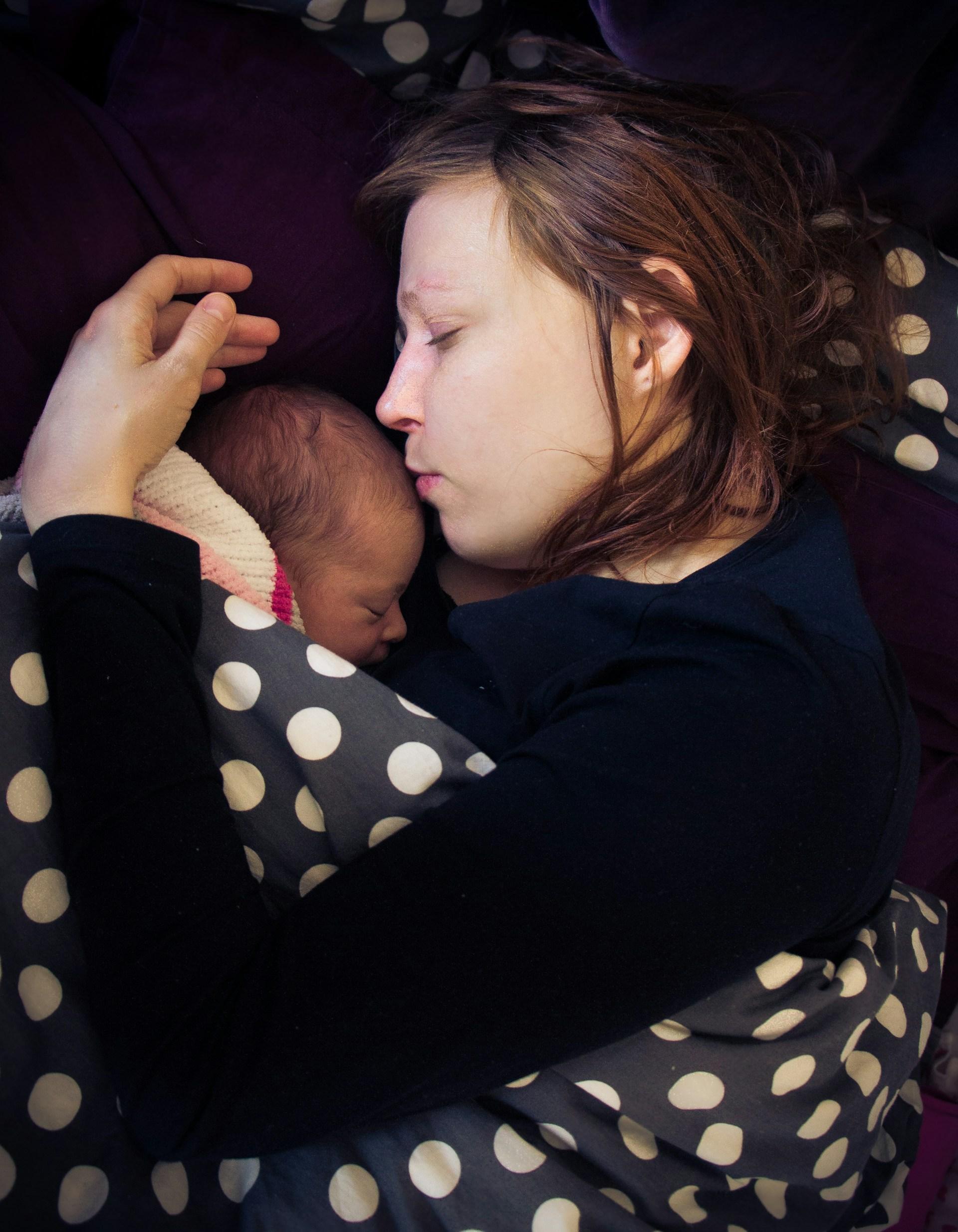
The evening can feel like the longest part of the day when you have a young baby. Feeds blur into nappy changes, the washing-up waits, and just when you think things are settling, your little one starts rooting again. A simple bedtime routine will not make every night perfect. But it can bring a welcome sense of order to those early months, giving your baby familiar signals and giving you a small, repeatable pause at the end of the day.
Why bedtime rituals matter for baby sleep
Babies do not understand the clock. They understand patterns.
A predictable series of quiet, repeated steps helps calm a baby’s nervous system. The same warm bath, soft pyjamas, milk feed, song and cuddle begin to mean one thing: sleep is coming. Over time, these bedtime rituals for babies act like little signposts, guiding your baby from the busy stimulation of daytime into a calmer state.
This matters for several reasons.
First, repetition can make the transition to sleep less jarring. Newborn sleep is often irregular and noisy, especially in the first few weeks. Babies may wake frequently, confuse day and night, or only settle in arms. That is normal. Still, when evenings follow a gentle pattern, your baby starts to recognise what happens next.
A baby bedtime routine can also support healthy sleep associations for baby. Sleep associations are the things a child links with falling asleep, such as a sleep sack, white noise, a familiar song or a parent saying the same goodnight words. These associations are not bad. In fact, the right ones can be very useful because they are safe, repeatable and can be used by another caregiver too.
Light plays a part as well. Dimmer evenings help support the body’s natural circadian rhythm. Exposure to bright light tells the brain it is daytime, while darkness supports the processes involved in melatonin production in babies. Melatonin is the hormone associated with sleepiness, although newborns do not produce it in a mature, predictable pattern straight away. You are not forcing a biological clock into place overnight. You are simply giving it helpful cues.
And perhaps just as importantly, routines can soothe parents. At 7 pm, when you are running on tea and toast, it helps to know exactly what comes next.
When to start a bedtime routine
Parents often ask, when to start bedtime routine habits with a baby. There is no single magic date, and you have not missed your chance if your baby is older.
That said, bedtime routine 2 months is a lovely point to begin. Around eight weeks, many babies are becoming more alert to the world around them and may begin to recognise repeated patterns. Their newborn sleep schedule is still likely to be unpredictable, with feeds and wake-ups through the night, but a short evening routine can start to make sense to them.
Before two months, keep it very simple. You might dim the lights, change your baby into a clean nappy and sleepsuit, offer a feed and settle them in their sleep space. That counts. A bedtime routine for newborn babies does not need to be elaborate.
At two to three months, you can build in a few more recognisable steps, such as a bath every other night, baby massage and a short book. The key is not a strict bedtime. Young babies may be ready for sleep at 6.30 pm one night and 8 pm the next, particularly during growth spurts or cluster-feeding phases.
Watch your baby more than the clock. Yawning, staring into space, rubbing their face, fussing and losing interest in play can all mean they are ready for winding down.
How long should an evening routine for baby take?
Aim for 20 to 30 minutes. That is long enough to feel calm and meaningful, but short enough to manage when you are tired or your baby is overtired.
A drawn-out routine can backfire. If your little one is already crying hard, hungry or overstimulated, skip the extras and go straight to the essentials: nappy, feed, sleep sack, cuddle, bed.
What matters most is the order. When you create a bedtime routine, try to follow roughly the same sequence every night, even if the timing changes. Your baby begins to learn, “First this, then this, then sleep.”
Here is a practical routine you can adapt.
A simple 20 to 30-minute bedtime routine
1. Change the environment
Start winding down the whole house about 30 minutes before you want your baby asleep.
Dim the lights in the main rooms. Turn down the television, pause noisy chores and avoid lively pass-the-baby games just before bed. You do not need to sit in total silence, especially if older children are around. Real homes are not monasteries. But a noticeably quieter atmosphere helps mark the change from day to night.
In the nursery or bedroom, use a low lamp rather than a bright overhead light. Keep voices soft. This environmental shift is one of the simplest ways to support baby sleep and the beginnings of a day-night rhythm.
2. Offer a warm bath or wipe-down
A warm bath can be deeply relaxing for some babies. For others, it is exciting, splashy entertainment. You will soon learn which camp your child falls into.
Baths do not need to happen every night. Every other night is perfectly fine for most babies, and it can make the routine easier to sustain. On non-bath nights, use a warm flannel for a gentle face, hands and bottom wipe-down. The point is not getting spotless. It is the familiar, slow ritual.
Keep the room warm, have the towel ready beforehand, and make the bath brief. A chilly, hungry baby rarely finds a long bath soothing.
3. Add a five-minute baby massage
After the bath or wipe-down, try a short massage with a small amount of baby-safe, fragrance-free lotion or oil suitable for your baby’s skin. Five minutes is enough.
Use gentle strokes on the legs, feet, tummy, arms and back. Talk quietly or hum while you do it. There is no need to memorise a complicated technique. Slow hands and a relaxed pace are enough.
Massage may help your baby settle because it reduces stimulation and brings in calming touch. It can also be a sweet moment of connection, especially for a partner who has been away at work or has not had much one-to-one time during the day.
If your baby becomes upset, wriggly or overstimulated, leave it out. The best routine is the one your baby can tolerate.
4. Put on pyjamas and a fresh nappy
Next, change your baby into their sleep clothes and a clean nappy. Using particular pyjamas or a familiar sleepsuit only for nighttime can become a useful cue.
Think of it as the baby version of putting on your own pyjamas after a long day. The clothes themselves do not cause sleep, of course, but they help build the pattern.
For safe newborn sleep, avoid hats indoors and do not overdress your baby. Check the room temperature and choose suitable layers. NHS guidance recommends placing babies on their backs to sleep in a clear, flat, firm sleep space, with no pillows, loose bedding, cot bumpers or soft toys.
5. Offer a feed
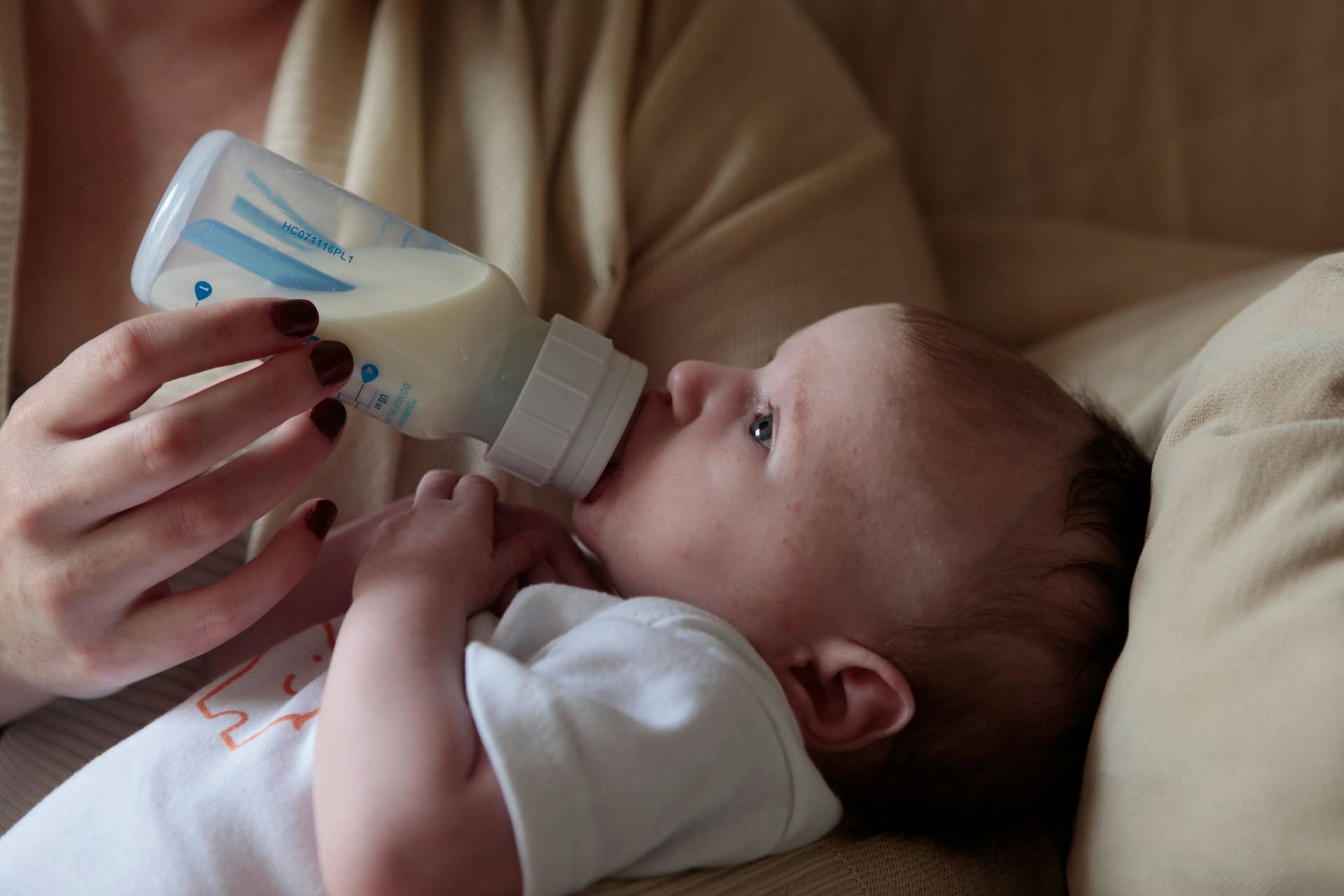
Feeding is often the emotional centre of the evening routine. Breast or bottle, this is a quiet chance for your baby to fill up and relax.
Some parents prefer feeding as the final step before putting their baby down. That can work very well, particularly in the early months when newborn sleep and frequent feeding are closely linked.
Others choose to feed before the story or song so their baby does not always fall fully asleep while feeding. This can gradually reduce a strong feeding-to-sleep association later on, if that is something you want to avoid.
Neither approach is automatically right. Do what works for your baby and your family. If feeding is the only way your six-week-old settles, that is not a failure and it is not a sign you need sleep training. Very young babies need feeding and comfort frequently.
6. Read one short story or sing a song
Keep this part brief. One board book, one familiar rhyme, or two to three minutes of a lullaby is plenty.
Your baby will not follow the plot of The Very Hungry Caterpillar at two months. But they will hear your voice, feel the slower pace and start to connect that book or song with bedtime. Repeating the same song every evening can become surprisingly powerful. Years later, you may find yourself able to sing it in your sleep.
Choose something you enjoy. If you hate singing, read. If reading feels impossible after a long day, hum the same tune.
7. Settle into the sleep space
Finish by putting your baby into their usual sleep space. Use a swaddle only if it is appropriate for your baby’s age and development, and stop swaddling as soon as they show signs of trying to roll. A properly fitted sleep sack is often an easy alternative.
Turn on white noise if you use it, keeping it at a low volume and positioned away from the cot or Moses basket. Then say the same short goodnight phrase each night, such as, “Goodnight, sleep well, I love you.”
That phrase becomes another familiar sleep cue. Simple. Reassuring. Repeatable.
Consistency without pressure
Consistency helps, but perfection is not required.
The same person does not have to do the routine every night. In fact, sharing it can be brilliant for partner bonding. One parent might do bath and massage while the other offers the feed and bedtime song. Grandparents or another trusted caregiver can follow the same steps too.
Try to preserve the order rather than obsessing over the exact time. A baby who starts their routine at 7 pm one night and 7.45 pm the next can still benefit from it if the sequence remains familiar.
Some evenings will be messy. Teething, illness, visitors, a late journey home, vaccinations, an older sibling’s school event, a missed nap - life happens. On those days, use a “mini routine”:
- Dim lights
- Fresh nappy and sleep clothes
- Feed
- Sleep sack
- Goodnight phrase
That is enough.
Taking bedtime rituals away from home
Travel can make parents worry that all their hard-won baby sleep progress will disappear. Usually, familiar cues travel better than you might expect.
Pack the sleep sack, favourite book, white noise machine or phone app, and keep the same song and goodnight phrase. A hotel room, grandparents’ house or holiday cottage may look different, but the steps can stay recognisable.
Keep safe sleep arrangements at the centre of the plan. Your baby needs a suitable, firm, clear sleep surface wherever you are staying. If you are unsure what is available, bring or hire an appropriate travel cot.
A different bedtime for a few nights will not undo your routine. Once you are home, return to your usual evening rhythm.
A routine is a foundation, not a test
The benefits of bedtime routine habits build slowly. You may not see a dramatic change after three nights, especially if you are in the thick of newborn sleep. That is okay.
A calming evening routine for baby is not the same as formal sleep training, and it does not require leaving a baby to cry. It is simply a series of gentle signals that say, “The day is ending. You are safe. Sleep is next.”
Start small. Keep it realistic. Repeat the same few steps more often than not.
That quiet pattern, night after night, can become one of the most comforting parts of your family’s day.
We as the developers of the Erby app disclaim any liability for any decisions you make based on this information, which is provided for general informational purposes only and is not a substitute for personal medical advice.