Swaddling has been around for centuries. Midwives still show new parents how to wrap a baby snugly in a swaddle blanket, and many UK parents swear by it for those first sleep-deprived weeks. Others feel uneasy and wonder: is swaddling safe?
The truth sits somewhere in the middle. Swaddling can be incredibly calming and helpful, but only if it is done correctly and stopped at the right time.
This guide walks you through the pros, cons, and how to swaddle a baby safely, so you can decide what works for you and your baby without the guilt or anxiety.
What is swaddling?
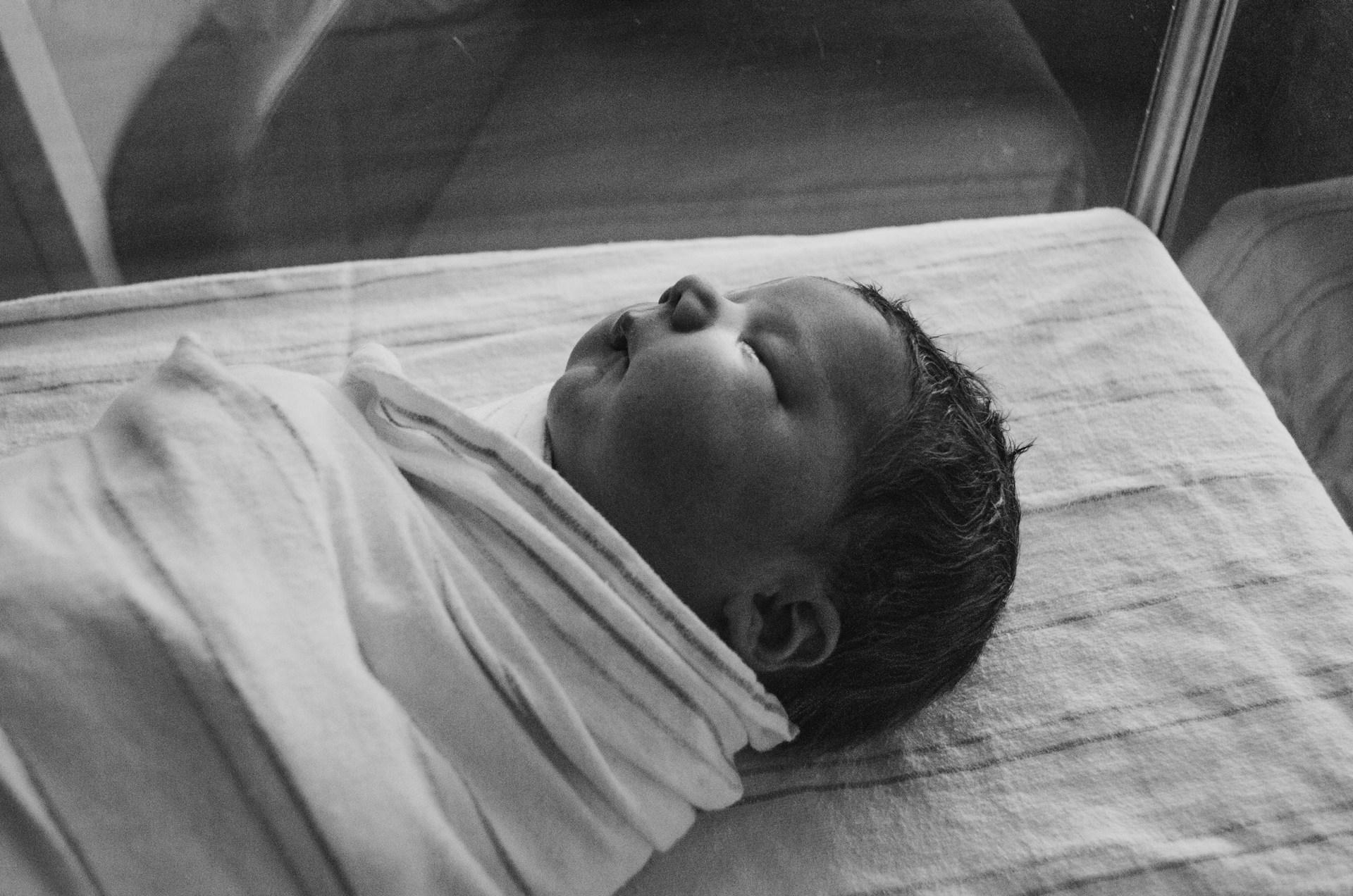
Swaddling means wrapping your baby in a light blanket so their arms are snug and their body feels gently contained. The idea is to mimic how secure they felt inside the womb.
You can use:
- A simple muslin swaddle blanket
- A shaped swaddle with Velcro or zips
- A transitional swaddle that allows arms up or partially free
People talk about swaddling like it is magic. Some nights, it really can feel like it.
Swaddling benefits: why some babies love it
Not every baby likes being wrapped. But for the ones who do, the benefits of swaddling can be very real.
1. Calms the Moro reflex
Newborns have a strong startle reflex, called the Moro reflex. Their arms suddenly fling out, they jerk awake, and then cry. It is completely normal, but it can ruin sleep.
A snug swaddle keeps their arms close to their body so that startle is reduced.
Result: fewer random arm flails, fewer wake-ups from light sleep.
2. Helps baby feel secure
Life outside the womb is huge and bright and noisy. Being swaddled can feel like going back to that tight, cosy space they knew for months.
A swaddled baby often:
- Settles more quickly when overtired
- Cries less during that fussy evening period
- Feels easier to hold, especially for someone who is nervous with newborns
Think of it as a gentle «containment» that can help them relax.
3. May improve sleep (for baby and you)
You will hear a lot of parents say: «We finally slept once we started swaddling.»
By calming the startle reflex and helping babies feel secure, swaddling may:
- Help babies sleep for slightly longer stretches
- Reduce the number of times they wake fully between sleep cycles
The effect varies. Some babies barely notice the difference. Others sleep an extra hour or two, which, when you are up three times a night, feels massive.
As with anything baby-related, swaddling is not a guarantee. It is simply one tool that can help.
Swaddling risks: what can go wrong
Swaddling itself is not the problem. Unsafe swaddling techniques are.
When done incorrectly, swaddling can increase the risk of:
- Hip problems
- Overheating
- Suffocation or entrapment
Understanding these swaddling risks makes it much easier to swaddle safely.
1. Swaddle and hip dysplasia
The hips are a big one. Babies’ hip joints are still forming. They need to be able to bend and move.
If a baby’s legs are wrapped too tightly and forced to stay straight, it can lead to or worsen developmental dysplasia of the hip (DDH). Organisations like the International Hip Dysplasia Institute warn about this, and UK paediatric physiotherapists say the same: hips must stay loose.
Watch out for:
- Legs being tightly wrapped together and straight
- A stiff, sausage-like wrap from shoulders to toes
Safe hips mean:
- Legs can bend at the hips
- Hips can fall into a natural “frog” or “M” position
- The blanket is looser from the waist down
If you are ever unsure, check that you can easily slide a hand between the fabric and your baby’s hips and legs.
2. Swaddling and overheating risk
Babies cannot regulate their temperature as well as adults. Overheating is a known risk factor for SIDS (sudden infant death syndrome), and swaddling can make overheating more likely if you use thick layers or a warm room.
To lower swaddling overheating risk:
- Use a thin, breathable swaddle blanket, like cotton muslin
- Keep the room at 16–20 °C (NHS guidance for baby sleep)
- Dress baby in a light vest or sleepsuit under the swaddle, not multiple layers
- Check their chest or back of neck, not hands or feet, to gauge warmth
If they feel hot, sweaty, or damp, remove a layer or adjust the room temperature.
3. Suffocation risk if the fabric comes loose
Loose fabric near a baby’s face is dangerous. It can cover their nose and mouth and increase suffocation risk.
This often happens when:
- The swaddle is wrapped too loosely
- The blanket is too big and bulky
- Baby is strong and breaks out of the wrap repeatedly
- A baby who can roll is still being swaddled
To reduce this risk:
- Swaddle firmly around the arms and chest, while still allowing chest expansion
- Tuck any loose ends securely
- Stop swaddling as soon as your baby shows signs of rolling
If your baby regularly escapes the swaddle, it may be a sign to switch to a safer alternative, like a sleep sack.
How to swaddle safely: step-by-step guide
Here is a simple, safe way to swaddle a newborn using a square muslin or cotton swaddle blanket.
Step 1: Choose the right swaddle blanket
- Pick a thin, breathable fabric such as cotton or bamboo muslin
- Avoid thick, heavy materials and fleece for swaddling
- Make sure it is large enough to wrap but not so huge that masses of fabric bunch around baby’s face
If you prefer, you can use a shaped, zip-up or Velcro swaddle designed to prevent the fabric coming loose. Just keep the same safety principles about hips and temperature.
Step 2: Set up the blanket
- Lay the blanket flat in a diamond shape.
- Fold the top corner down about 15–20 cm to form a straight edge.
- Place baby on their back with their shoulders just below that folded edge.
Step 3: Position baby’s arms
Most newborns settle best with their arms inside the swaddle.
You can try:
- Arms down by their sides
- Arms bent, with hands near the chest
Experiment a little. Some babies sleep better with hands up by the face.
Step 4: Wrap the first side (arms snug, chest with room)
- Gently hold your baby’s right arm by their side.
- Take the left side of the blanket across their body.
- Tuck it under their back on the opposite side.
The chest area should feel snug but not tight. You should be able to slide your hand between their chest and the fabric, and their chest should still rise and fall easily as they breathe.
Step 5: Fold up the bottom (hips loose)
- Fold the bottom of the blanket up, but do not pull it tight around the legs.
- The blanket should sit loosely over the hips and legs.
Your baby should still be able to:
- Bend their legs
- Open their hips
- Move into a natural frog-like position
If the lower half looks like a straight, stiff tube, it is too tight.
Step 6: Wrap the second side
- Hold baby’s left arm gently by their side or in the position they prefer.
- Bring the right side of the blanket across their body.
- Wrap it around and tuck firmly behind their back.
Check again:
- Arms and upper body are secure and not easily escaping
- Hips and legs have room to move
- No loose fabric near the face
Place your swaddled baby on their back in a clear sleep space, such as a cot or Moses basket, following NHS safer sleep advice: firm, flat mattress, no pillows, no soft toys, no extra loose bedding.
When to stop swaddling
The timing here matters a lot.
Experts in the UK and worldwide agree: once a baby can roll, swaddling is no longer safe. A swaddled baby who rolls onto their front may not be able to roll back, and their arms are restricted.
Most babies start showing signs of rolling around 8 weeks, some earlier, some later. Look for:
- Strong side-to-side wriggling
- Lots of twisting of the body
- Rolling onto their side during naps
As soon as you see these early rolling signs, you should begin phasing out swaddling. You do not wait until they are rolling fully onto their front.
To keep it really clear:
- If your baby is showing signs of rolling - start to stop swaddling.
- If your baby is rolling - you must stop swaddling completely.
At the very latest, swaddling should be gone by the time rolling behaviour is obvious.
Swaddling alternatives
If your baby hates being swaddled, or you have stopped because of rolling, you still have options for cosy, contained sleep.
1. Sleep sacks (baby sleeping bags)
Sleep sacks are wearable blankets with armholes. They:
- Keep baby warm without loose blankets
- Allow full movement of arms and legs
- Come in different TOGs for different room temperatures
They are widely recommended in the UK as a safer alternative to loose blankets, especially after the newborn phase.
2. Transitional swaddles
Some products sit between a standard swaddle and a full sleeping bag. For example:
- Arms-up swaddles, where baby’s arms are up near the face rather than pinned down
- Convertible swaddles with zip-off sleeves
These can help if your baby loves that held feeling but is starting to roll, or if you are gently moving away from a traditional wrap. Follow the brand’s age and safety guidance carefully and always keep rolling in mind.
3. Other soothing options
Not every unsettled baby needs swaddling. You can also try:
- White noise
- Rocking, holding, or babywearing in a sling
- A consistent bedtime routine
- Dim lighting and calm, predictable pre-sleep habits
Sometimes you may find that a good sleeping bag plus a bit of contact, like a hand on their chest, works just as well as a swaddle.
Not all babies like being swaddled - and that is OK
Some babies will fight every single attempt to swaddle. They arch, scream, and calm down only when you unwrap them.
That is not you doing it wrong. That is simply a baby who does not like being contained.
Signs your baby might not be a swaddle fan:
- They become more distressed when wrapped
- They only settle once arms are free
- They constantly wriggle until they break out
In that case, skip it. Focus on safe sleep (on their back, in their own clear sleep space), and use alternatives like sleep sacks, cuddling, or rocking. There is no rule that says you must swaddle a newborn.
Quick safety checklist for swaddling
If you want a simple way to remember how to swaddle safely, run through this checklist every time you swaddle baby:
- Back only: Always place baby on their back to sleep
- Arms snug: Upper body secure, but chest can expand easily
- Hips loose: Legs can bend and move, no straight, tight wrapping
- Thin fabric: Light, breathable swaddle blanket, not heavy or thick
- Cool enough: Room at 16–20 °C, baby not sweaty or hot
- No loose fabric: Nothing near baby’s face, no bunched-up corners
- Stop for rolling: As soon as rolling signs appear, phase out the swaddle
If anything feels off or unsafe, trust your instincts and adjust or stop.
Swaddling can be a lovely tool in those hazy first weeks with a newborn, especially when you understand both the swaddling benefits and the swaddling risks. Some families find it life-changing for sleep. Others never use it once. Both are completely fine.
Pick what suits your baby’s temperament, your comfort level, and the latest safe sleep guidance, and remember: you are allowed to change your mind as your baby grows.
We as the developers of the Erby app disclaim any liability for any decisions you make based on this information, which is provided for general informational purposes only and is not a substitute for personal medical advice.