Newborn Home Safety: Essential Baby Proofing Tips for the First Weeks
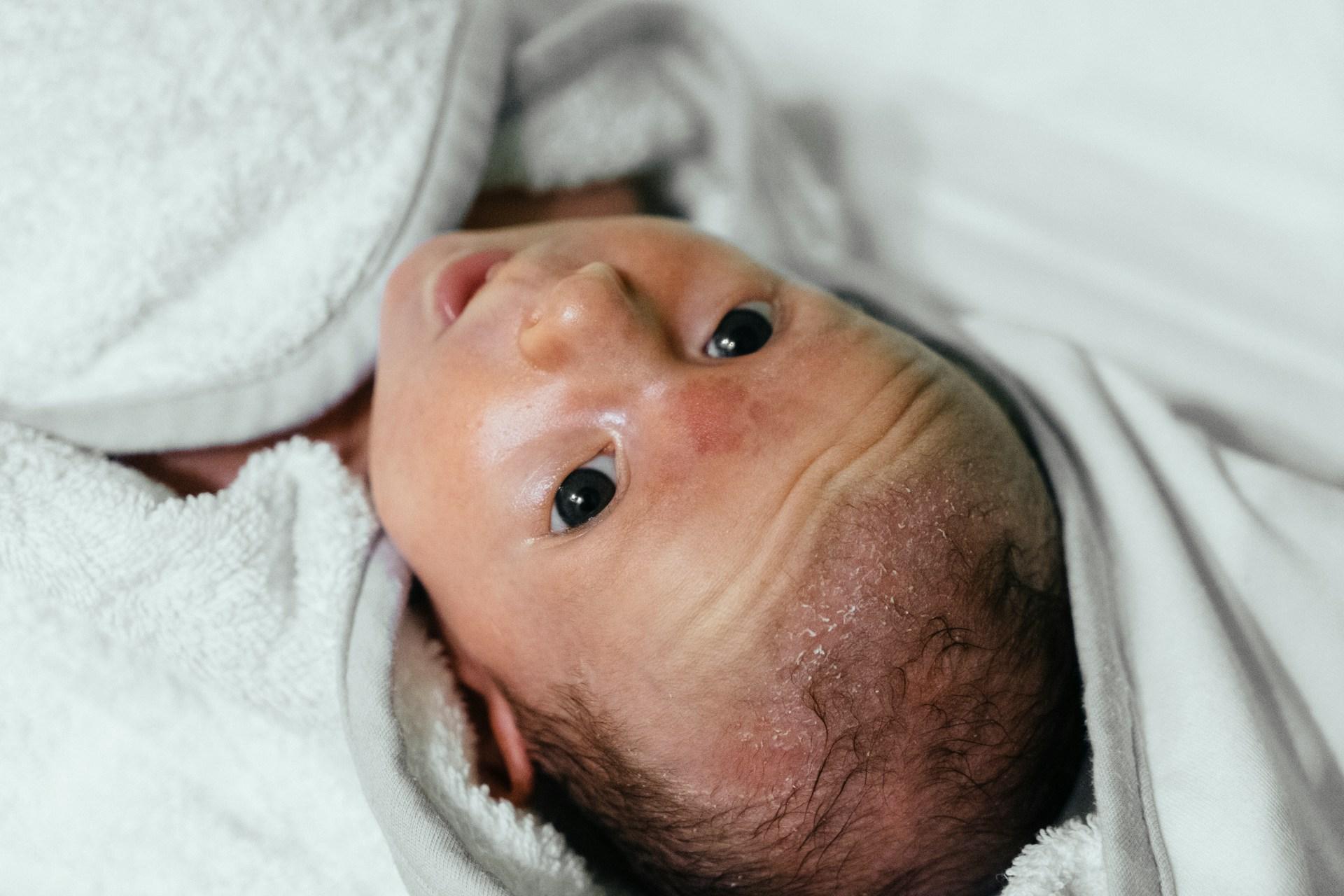
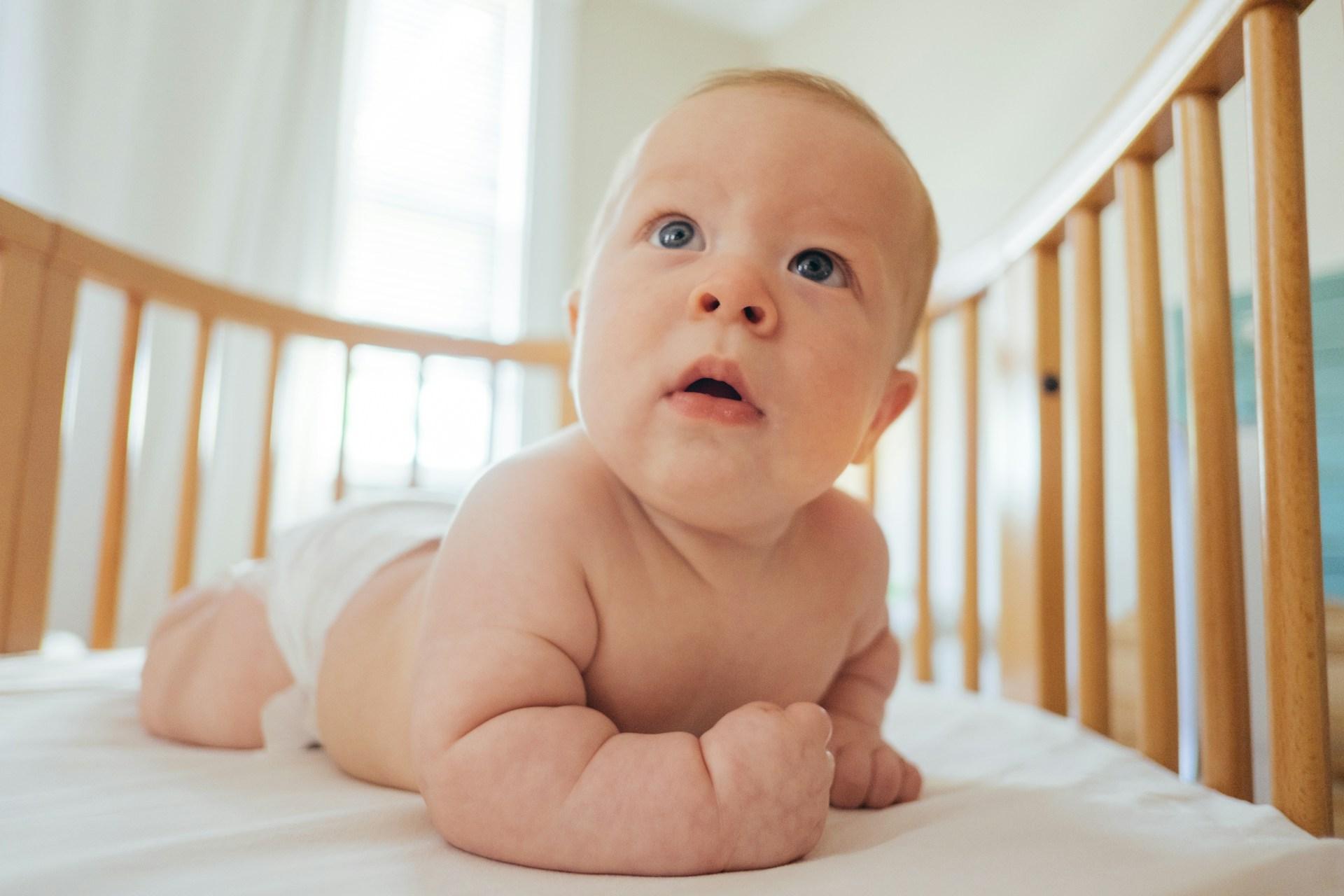
Bringing a new baby home changes the way you look at every room. The coffee table suddenly seems sharper. The dog’s bed is in the wrong place. And that mug of tea you carry without thinking? It deserves a second thought now. The good news is that newborn safety does not mean turning your home into a padded bunker. Your baby is not crawling, pulling up or opening cupboards yet, so you have time to work through full baby proofing gradually. For now, focus on the risks that matter from day one: sleep, water, carrying, pets, visitors, car journeys and the surfaces around your baby.
Start With the Things That Cannot Wait
When people talk about how to baby-proof, they often picture stair gates, socket covers and cupboard locks. Those will become useful later. Right now, your baby’s world is smaller, but they are still completely dependent on the adults around them.
A simple rule helps: look closely at any place where your baby sleeps, is bathed, is carried or is placed down. These are the moments when most everyday safety decisions happen.
Your early baby proofing checklist should include:
- A clear, safe sleep space
- Safe bathing routines
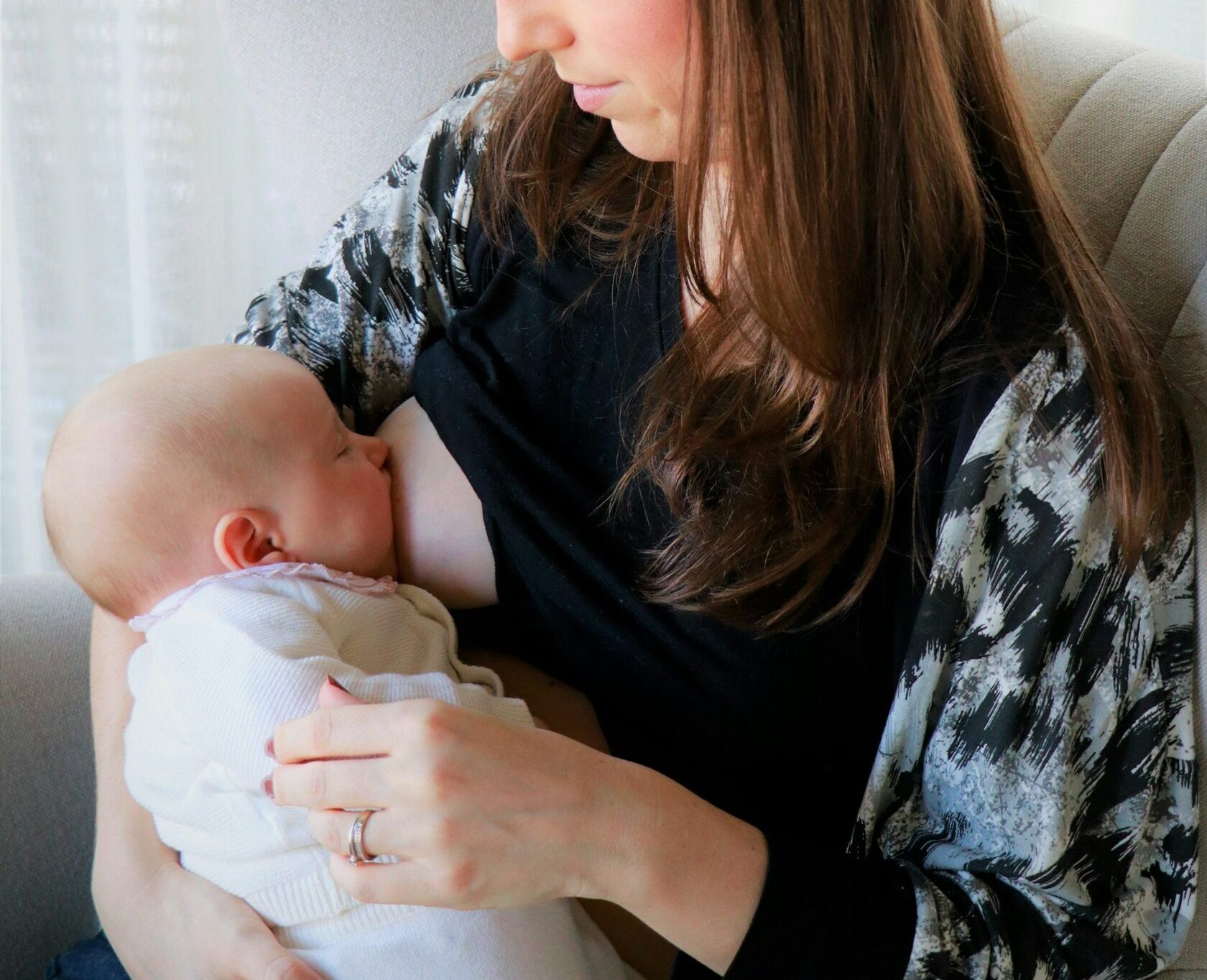
- Secure ways to hold and carry your newborn
- A plan for pets and older children
- A correctly fitted rear-facing car seat
- Working smoke alarms and a smoke-free home
- Stable furniture and clutter-free changing surfaces
- Safe, age-appropriate toys and equipment
You do not need to do everything in one exhausted afternoon. Pick one room, make a few changes, then move on. Bit by bit, your home will feel ready.
Create a Safe Sleep Space
Keep baby sleep simple
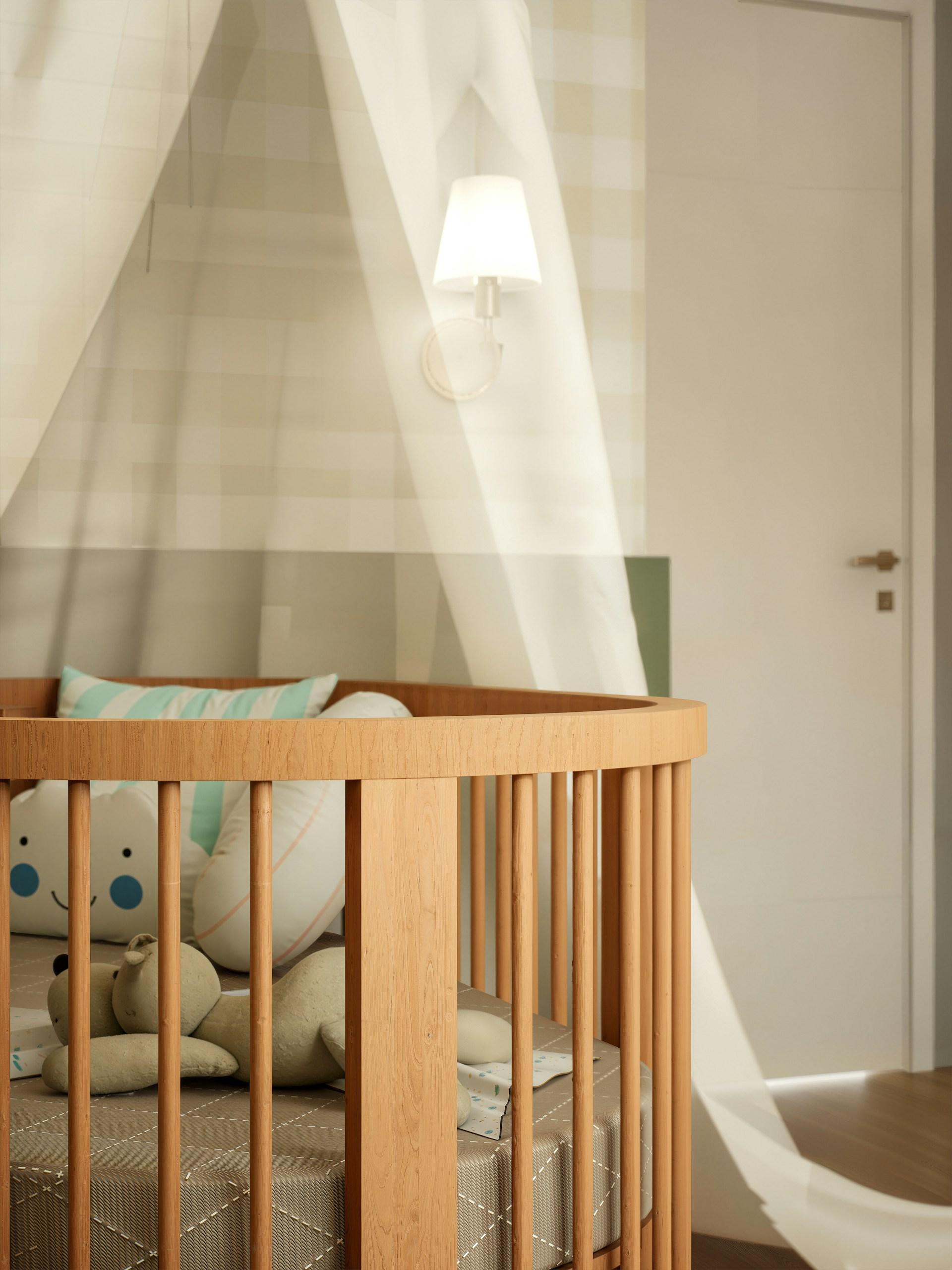
Safe sleep for babies is pleasantly uncomplicated. Your baby needs a flat, firm mattress in a cot, crib, Moses basket or bedside crib that is designed for infant sleep. The sleep surface should fit properly, with no gaps around the edges where a baby could become trapped.
For newborn safe sleep tips, think: firm, flat and clear.
That means no pillows, duvets, loose blankets, cot bumpers, wedges, sleep nests, stuffed toys or loose comforters in the sleep space. A fitted sheet is enough. If you use a blanket, keep it lightweight, tucked in securely no higher than your baby’s shoulders, with baby placed feet-first at the bottom of the cot. A correctly sized baby sleeping bag is another option once it is suitable for your baby’s weight and age.
Place your baby on their back for every sleep, day and night. The Lullaby Trust advises that babies should sleep in the same room as an adult for the first six months, but in their own separate sleep space.
Check crib safety standards
Whether you call it a cot or a crib, crib safety starts with the product itself. Choose a model that meets current UK safety requirements, such as BS EN 716 for cots and folding cots. If you are borrowing or buying second-hand, inspect it carefully.
Check for:
- A firm mattress that fits snugly
- No broken slats, loose screws or damaged drop-side mechanisms
- No wide gaps where arms, legs or heads could become trapped
- A stable base that locks securely into position
- Clear assembly instructions and manufacturer labels
- No added padding, homemade modifications or repaired parts held together with tape
Keep the cot away from windows, blinds and curtain cords. Babies grow fast, and a child who can sit or stand may reach a cord sooner than you expect. Move furniture away from windows too, especially anything that could become a climbing aid later on.
Make Baby Bath Time Calm and Safe
A warm bath can be a lovely part of the bedtime routine. It also needs your full attention. Water is one of the few hazards that becomes serious very quickly, even in a shallow baby bath.
Get the baby bath temperature right
Aim for a baby bath temperature of around 37°C, close to body temperature. A bath thermometer gives the clearest reading, though you can also test the water with your elbow. It should feel comfortably warm, not hot. Your hand is less reliable because it is used to warmer temperatures.
Run cold water first, then add hot water, and mix thoroughly. Check the temperature again before your baby goes in. Turn off the taps before bathing your baby, so there is no risk of hot water running unexpectedly.
Never step away
For baby bath safety, the rule is simple: never leave a baby alone in water, not even for a second.
Not to answer the door. Not to grab a towel. Not because the phone is ringing. If you need something, wrap your baby in a towel and take them with you. It may feel inconvenient, but it is always the safer choice.
Set up before you start:
- Towel
- Clean nappy
- Fresh clothes
- Washcloth and mild baby wash, if using
- Nappy cream
- A drink for you, if you are likely to be there a while
Keep one hand on your baby at all times while they are in the bath. Even very young babies can slip surprisingly easily.
Hold and Carry Your Newborn With Confidence
New parents often ask how to hold a newborn without feeling awkward or frightened. A little caution is normal. Within days, most people find their rhythm.
Support your baby’s head and neck whenever you lift, carry or lower them. Newborn neck muscles are not developed enough to hold the head steady. Slide one hand under the head and neck, with the other supporting the bottom and back. Keep baby close to your body rather than carrying them at arm’s length.
Be extra careful on stairs
Stairs deserve a slower pace. Hold your baby securely with both arms or use an appropriately fitted baby carrier. Keep one hand free for the banister if possible. Do not rush because the washing machine has finished or someone is at the door. Those little domestic pressures can wait.
Avoid carrying hot drinks, hot food or anything that could spill while holding your baby. A hot cup of tea can cause a severe burn in seconds. Put it down first. You will get another chance to drink it, even if it is cold by then. That is parenthood.
Introduce Pets Slowly and Supervise Every Time
A family pet may be gentle, affectionate and familiar. Still, babies and animals should never be left alone together. Not for a photo. Not while you pop into the kitchen. Even calm pets can react to a sudden noise, an unfamiliar smell or a grabby little hand later on.
Start with gradual introductions. Let your pet become used to the new sounds and scents before close contact. You might bring home a blanket that smells of the baby before the first meeting, then allow the pet to observe from a comfortable distance.
Keep all interactions supervised. Look for signs that your pet is stressed, such as pacing, licking lips, turning away, stiffening, growling or hiding. Give them a quiet retreat where they will not be disturbed.
Pet beds, crates and feeding areas should stay separate from baby’s play and sleep spaces. Never allow a cat or dog to sleep in the cot, crib or Moses basket, even if they have always slept near you.
Help Older Siblings Feel Included
A new baby can be exciting, confusing and sometimes upsetting for an older child. They may adore the baby one minute and feel pushed aside the next. That is normal.
Teach siblings to use “gentle hands”. Show them how to stroke a baby’s foot or touch their hair softly. Explain that babies cannot play yet, and that they need quiet, careful handling. Young children should not pick up, feed, bathe or carry a baby without close adult help.
Supervise every visit and interaction, especially when the baby is sleeping, lying on a mat or in a bouncer. A well-meaning toddler may offer a toy, blanket or snack that is not safe for a newborn.
Try to involve siblings in small ways:
- Let them choose baby’s socks or a bedtime story
- Ask them to fetch a clean nappy
- Praise gentle behaviour specifically
- Set aside a few minutes of one-to-one time each day
The message is not “the baby has replaced you”. It is “you are part of this family team”.
Get Car Seat Safety Right From the First Journey
Your baby’s first car journey is usually the trip home from hospital, so car seat safety is not something to leave until later.
Use a rear-facing infant car seat that is suitable for your baby’s weight and height. Rear-facing travel protects a baby’s head, neck and spine far better than forward-facing travel. In the UK, car seats must meet current safety regulations, usually marked UN R129 or the older R44 standard. R129 seats are based on a child’s height and include improved side-impact testing.
Fit the seat exactly as the manufacturer instructs. If your car uses ISOFIX, make sure the indicators show that the base is correctly attached. If using a seat belt, follow the belt route carefully and check that the seat does not move excessively.
The harness should sit flat against your baby’s body:
- Shoulder straps should be at or just below shoulder level for a rear-facing seat
- The chest clip, where fitted, should sit at armpit level
- The harness should be snug, with no bulky coats underneath
- Remove hats, scarves and thick snowsuits that could cause overheating or affect the fit
Car seats are for travel, not routine sleeping at home. Once you arrive, move your baby to a flat, firm sleep surface as soon as practical.
Make Everyday Spaces Safer
Prepare for smoke and fire safety
Test your smoke alarms regularly, ideally once a month. Every floor of your home should have working smoke detection, and alarms should be loud enough to wake sleeping adults. Replace batteries as needed and follow the manufacturer’s guidance on replacing the unit itself.
Keep your home smoke-free. Do not smoke indoors, near open windows or in the car. Smoke residue can cling to clothes, hair and furniture, so changing outer layers and washing hands before holding your baby is sensible if someone has smoked outside.
Clear the surfaces where baby rests
Babies spend time on changing mats, sofas, beds, play mats and laps. Before placing your baby down, scan the area for small objects: coins, pen lids, buttons, batteries, jewellery, hair clips and loose packaging are all easy to miss.
This matters even before your baby can roll. Adults move things around, siblings leave toys nearby, and babies develop faster than expected.
Check toys too. Choose age-appropriate items with no loose parts, peeling paint, button batteries or long cords. If a toy is damaged, cracked or has a loose component, remove it rather than hoping it will last one more day.
Choose stable furniture
A changing table can be useful, but it is never hands-free. Use the safety straps if provided, while remembering that straps are not a substitute for keeping one hand on your baby. Gather nappies, wipes and clothes before you begin. If you need to step away, take baby with you or place them safely on the floor on a clean mat.
Secure tall furniture to the wall, particularly drawers, bookcases and televisions. Your newborn cannot climb today, but baby proofing is easier when done before a mobile child is pulling themselves up on everything in sight.
A Gentle Start to Baby Safety
Safety tips for new parents can sometimes feel like a long list of things to worry about. They are not meant to make you anxious. Think of them as small routines that soon become automatic: check the cot, test the bath, hold baby close on the stairs, buckle the harness correctly.
You do not have to complete every baby proofing task before your baby is a few days old. Start with sleep, water, carrying and supervision. Then build your baby proof home room by room as your child grows. That steady approach protects your baby while leaving plenty of space for the good stuff too: cuddles, naps, first smiles and the occasional cold cup of tea.
We as the developers of the Erby app disclaim any liability for any decisions you make based on this information, which is provided for general informational purposes only and is not a substitute for personal medical advice.