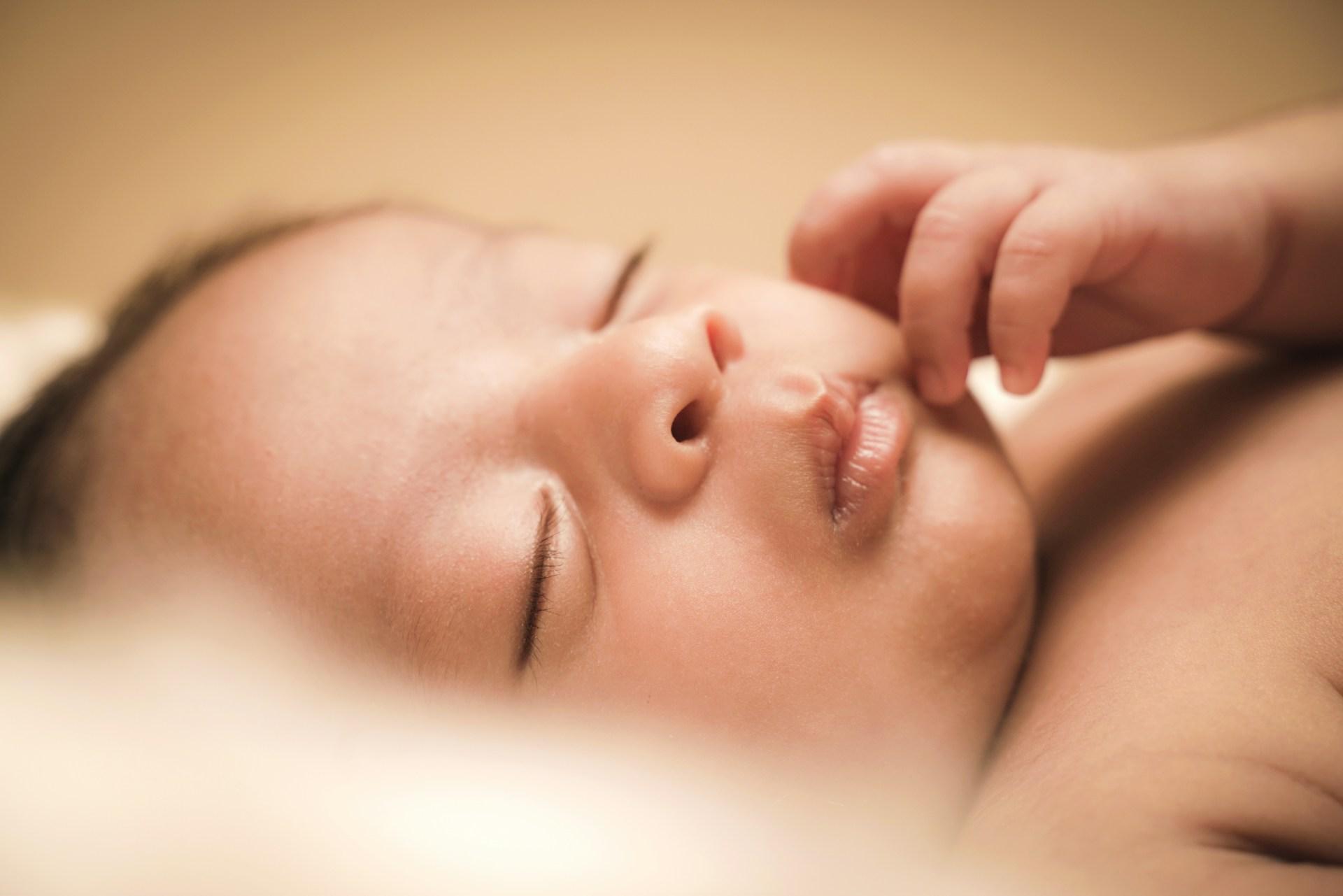
Newborn rash guide - what peeling, milia, baby acne and other common marks mean
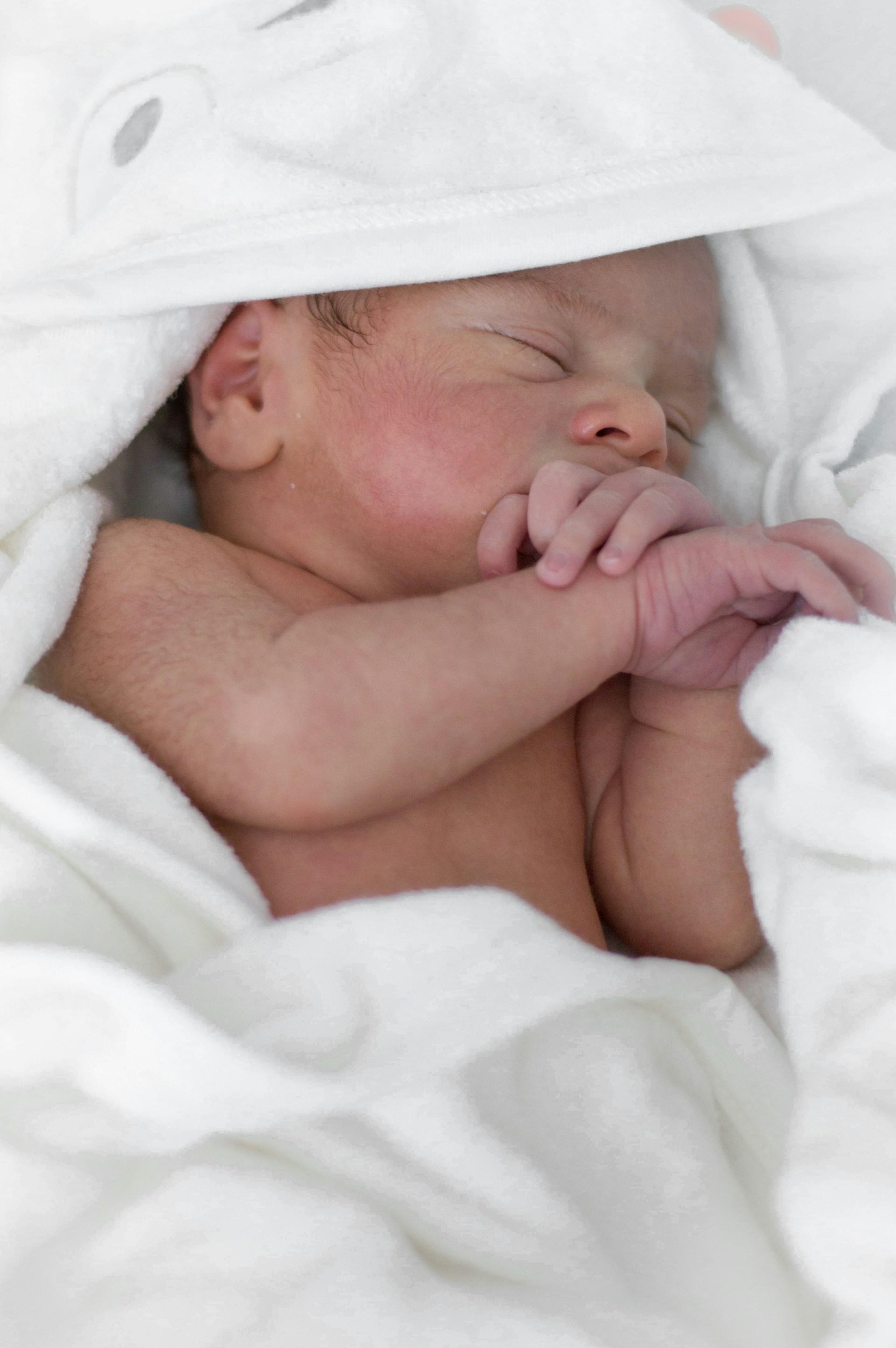
The first time you see a rash or patch of peeling on your baby’s skin, your heart can end up in your throat. Is this normal? Do they need cream, medicine, a trip to A&E right now?
Here’s the reassuring bit: most newborn skin conditions look far worse than they are. Baby skin is still adapting to life outside the womb, and that shows up in all sorts of odd spots, blotches and bumps.
This guide walks you through what’s normal and what’s not when it comes to a newborn rash, peeling or other marks, so you can feel a little calmer at 3 a.m. when you’re googling «white bumps on baby nose».
Newborn skin: why it looks so odd
Newborn skin is thin, delicate and still figuring out its job. Inside the womb, your baby floated in warm fluid, protected by a creamy coating called vernix. Suddenly they are in dry air, wrapped in clothes, sometimes getting a bit too hot or too cold.
That quick change often leads to:
- Newborn skin peeling, especially in babies born after their due date
- Blotchy colour, including newborn mottling or marbling when they’re cold
- Various types of baby rash that appear and disappear quickly
Most of these newborn skin conditions:
- Do not hurt your baby
- Do not leave scars
- Go away on their own
The challenge is working out when a newborn rash is normal and when it might be a sign of infection or allergy. We’ll go through the common harmless ones first, then the warning signs to watch for.
1. Peeling or flaking skin
What it looks like
You might notice:
- Dry, flaky skin on the hands, feet, ankles or wrists
- Larger sheets of skin peeling off, a bit like after sunburn
- Peeling that is most obvious in the first 1–2 weeks
This is particularly common in newborn peeling skin post-term babies - those born after their due date. Many parents are surprised by how much their baby’s skin can peel.
What causes it
In late pregnancy, the top layer of skin gets thicker. Once your baby is born and exposed to the air, this outer layer naturally dries and sheds.
It is not a sign you did something wrong in your newborn skin care routine. It is just your baby shedding that old outer layer and revealing fresh, softer skin underneath.
When it resolves
For most babies, peeling:
- Starts in the first few days
- Improves by 1–2 weeks
- Is usually gone by 3–4 weeks
Do you need treatment?
Usually, no treatment is needed at all.
You can:
- Use a small amount of plain, fragrance-free moisturiser if the skin looks very dry or cracked
- Avoid long, hot baths which dry the skin
- Pat the skin dry rather than rubbing
Avoid picking or pulling at the peeling bits, even if you find it oddly satisfying. Let them come off on their own.
2. Milia: tiny white bumps
What it looks like
Milia look like:
- Tiny white or yellowish bumps, often on the nose, cheeks, chin or forehead
- Smooth, firm dots, about the size of a pinhead
- Not red, not angry-looking, and your baby is not bothered by them
If you’ve been searching for white bumps on baby nose or milia on newborn, this is probably what you’ve seen.
What causes it
Milia are blocked pores. Keratin (a skin protein) gets trapped under the surface of the skin, forming small cysts.
They are:
- Very common
- Not infectious
- Not caused by poor hygiene, products or breastfeeding
When it resolves
Milia usually:
- Appear in the first few days of life
- Start to fade by 2 weeks
- Are usually gone by about 4 weeks
Do you need treatment?
No treatment is needed.
Do not:
- Squeeze them
- Pick at them
- Use acne products meant for adults or teenagers
Just wash your baby’s face with water or a very gentle baby cleanser. Milia will clear on their own.
3. Baby acne
What it looks like
Newborn baby acne is different from teenage acne, but it can look dramatic.
You might see:
- Red bumps or spots on the cheeks, forehead and sometimes the chest
- Some bumps with a small white centre
- Patches that look worse when your baby is hot or crying
Parents often worry when baby acne appears out of nowhere. This is very common and usually harmless.
What causes it
The exact cause is not fully understood, but common theories include:
- Hormones from pregnancy that are still in your baby’s system
- Your baby’s oil glands adjusting to life outside the womb
Whatever the precise cause, it is not because you ate something wrong while breastfeeding, or because the skin is dirty.
Typical baby acne newborn timeline
Baby acne usually:
- Appears at around 2 weeks of age
- Often peaks at 2–4 weeks
- Gradually improves and usually resolves by 3 months
It can come and go a bit during that time, which can be frustrating.
Do you need treatment?
Most of the time, no specific treatment is needed.
Helpful tips:
- Wash the face once a day with water or a mild baby cleanser
- Gently pat dry
- Avoid oily lotions or adult skin products on the face
- Do not scrub or squeeze the spots
If the rash is very inflamed, spreading quickly, or does not start to improve after 3 months, your GP or health visitor can check that it really is typical baby acne and not something else like eczema or infection.
4. Erythema toxicum: a scary name for a normal rash
What it looks like
The name sounds terrible, but erythema toxicum in newborns is completely harmless.
It appears as:
- Red blotches or patches
- Often with a small yellow or white bump in the centre
- Spots that can be scattered anywhere on the body, especially the trunk
It can look a little like insect bites or hives. The rash often comes and goes and can look different from one day to the next.
What causes it
Doctors are not fully sure, but it seems to be part of the baby’s skin and immune system maturing. It is not an allergy and not an infection.
When it appears and resolves
Erythema toxicum:
- Usually appears around day 1 to 3 of life
- May come and go for a few days
- Generally disappears completely by 1–2 weeks
Do you need treatment?
No treatment is needed at all.
You can:
- Dress your baby in light layers so they do not overheat
- Continue gentle newborn skin care as normal
If your baby otherwise seems well, feeding normally and has no fever, this type of newborn rash is considered normal.
5. Mottling or marbling
What it looks like
Newborn mottling or marbling looks like:
- A lacy, patchy pattern on the skin
- Red or purple lines mixed with paler areas
- Most noticeable on arms, legs and trunk
You may see it when:
- Your baby is cold, for example during a nappy change
- After a bath while they are drying off
- Sometimes when they are just a bit unsettled
What causes it
Mottling happens because a newborn’s blood vessels are still learning how to tighten and relax properly to control temperature. Their circulation is immature.
When your baby gets a bit cold, the blood vessels in the skin tighten, leading to that marbled look.
When it resolves
Mottling:
- Often improves as your baby warms up
- Usually gets less noticeable over the first few months of life
Brief mottling that comes and goes and improves when baby is warm is generally normal.
Do you need treatment?
You do not need medicine or creams.
You can:
- Keep the room comfortably warm
- Dress your baby in one more layer than you are wearing yourself
- Use skin-to-skin contact if they seem cold
If the mottling is constant, very pronounced, or your baby seems unwell in any way, speak with your GP or call NHS 111 for advice.
6. Mongolian spots (blue-grey birthmarks)
What it looks like
Mongolian spots are:
- Flat, blue-grey patches that look a bit like a bruise
- Most common on the lower back and buttocks
- Sometimes seen on the shoulders or elsewhere
They occur more often in babies with darker skin tones, for example those of African, Asian, Mediterranean or mixed heritage, but can appear in lighter-skinned babies too.
Parents sometimes panic, thinking their baby has been injured, because the patches look bruise-like. The edges are usually smooth, and the area does not hurt when touched.
What causes it
Mongolian spots are birthmarks caused by pigment cells that are deeper in the skin than usual. They are not caused by trauma or handling.
When it resolves
These birthmarks:
- Are usually present at birth or show up very soon after
- Often fade during early childhood
- Commonly disappear by around 4–5 years of age
Some may persist but usually get lighter over time.
Do you need treatment?
No treatment is required.
Do:
- Make sure your midwife, health visitor or GP records them in your baby’s notes, so there is no confusion later about bruising
- Take a photo for your own records if you like
They do not turn into anything dangerous and are not linked with health problems in an otherwise healthy baby.
7. Cradle cap
What it looks like
Cradle cap, also known as infant seborrhoeic dermatitis, shows up as:
- Yellow, greasy scales or crusts on the scalp
- Sometimes a bit red underneath
- Flaky patches that can stick to the hair
It can also appear on the eyebrows, behind the ears or in skin folds, although the scalp is most typical.
Parents often find it unsightly, but it usually does not bother the baby at all.
What causes it
Cradle cap probably relates to:
- Overactive oil glands on the scalp
- Yeasts that live harmlessly on the skin
It is not a sign of poor hygiene or an allergy.
When it resolves
Cradle cap:
- Often appears in the first few weeks of life
- Can last several weeks or even a few months
- Usually improves by about 6–12 months
Do you need treatment?
Mild cradle cap can often be managed at home.
You can try:
- Massaging a small amount of baby oil, olive oil or coconut oil into the scalp, leaving it on for 10–15 minutes, then gently brushing with a soft baby brush to loosen the scales
- Washing the hair with a mild baby shampoo afterwards
Do not:
- Pick or scratch at the scales, as this can cause irritation or infection
- Use harsh anti-dandruff shampoos meant for adults without advice from a doctor
If the skin looks very red, swollen, oozing or your baby seems uncomfortable, see your GP. Sometimes a medicated shampoo or cream is needed.
When to worry about a newborn rash
So, is a newborn rash normal? Often yes. But there are times when a rash, even if it started as something harmless like baby acne or erythema toxicum, needs a doctor to have a look.
Contact your GP, midwife, health visitor or NHS 111 urgently if you notice:
- Spreading redness around a spot or patch, especially if the skin feels warm or hard to touch
- Blisters filled with clear or yellow fluid
- Pus or yellow crusting on the rash
- A rash plus fever (temperature 38°C or higher in a baby under 3 months is always urgent)
- Your baby is very sleepy, hard to wake, or not feeding well
- The rash is purple, does not fade when you press a glass against it, or you are worried about meningitis - call 999 or go to A&E immediately
Trust your instincts. If you are looking at your baby’s skin and thinking «Something isn’t right», it is always acceptable to seek medical advice, even if it turns out to be one of the normal newborn skin conditions we have covered.
Gentle newborn skin care basics
To support healthy baby skin and reduce irritation:
- Use plain water for most nappy changes, with fragrance-free wipes if needed when you are out
- Choose unscented, hypoallergenic products if you use soap, shampoo or lotion
- Avoid bubble baths in very young babies
- Do not overload baby with multiple creams “just in case”
- Dress in breathable cotton layers and avoid too much heat
- Keep nails short to reduce scratching if they have a rash
Often, the best thing you can do is keep it simple and leave your baby’s skin to do what it does best.
A quick recap
Here is a short summary you can screenshot or save:
-
Peeling/flaking skin
- Common, especially in post-term babies
- Cause: shedding the outer layer of skin
- Resolves: usually by 2–4 weeks
- Treatment: usually none, gentle moisturiser if very dry
-
Milia (white bumps on nose/chin)
- Tiny white bumps, not red or angry
- Cause: blocked pores
- Resolves: by about 4 weeks
- Treatment: none, do not squeeze
-
Baby acne
- Red bumps on face, sometimes with white centres
- Cause: hormonal changes, immature oil glands
- Baby acne newborn timeline: starts around 2 weeks, peaks 2–4 weeks, gone by 3 months
- Treatment: gentle washing, no harsh products
-
Erythema toxicum
- Red blotches with yellow/white centre
- Cause: normal newborn skin reaction
- Appears: day 1–3, gone by 1–2 weeks
- Treatment: none
-
Mottling/marbling
- Lacy, patchy pattern when baby is cold
- Cause: immature circulation
- Resolves: improves as baby warms and as they grow
- Treatment: keep baby comfortably warm
-
Mongolian spots
- Blue-grey patches on lower back/buttocks
- Cause: deeper pigment in the skin
- Resolves: usually fades by early childhood
- Treatment: none, just document
-
Cradle cap
- Yellowish greasy scales on scalp
- Cause: overactive oil glands, skin yeasts
- Resolves: over months, often gone by 6–12 months
- Treatment: oil and gentle brushing, mild shampoo, see GP if very red or weepy
And remember the warning signs to see a doctor: spreading redness, blisters, pus, or any fever with rash, especially in a baby under 3 months.
Your newborn’s skin will change a lot in the first few weeks. Blotchy one day, flaky the next, beautifully smooth a few weeks later. Most of it is normal, even if it looks dramatic.
If in doubt, ask. Take a clear photo of the rash in good light and show your midwife, health visitor or GP. You are not being overprotective, you are simply learning the very new, very tiny human in your arms.
We as the developers of the Erby app disclaim any liability for any decisions you make based on this information, which is provided for general informational purposes only and is not a substitute for personal medical advice.