Newborn weight: what’s normal, how babies lose and regain weight, and when to seek help
The first weeks at home with a new baby are full of questions. Right near the top of that list: “Is my baby gaining enough weight?” and “How much should a newborn weigh, anyway?”
If you find yourself staring at the numbers in your baby’s red book or on a clinic scale, trying to decode them, you are not alone. Let’s walk through what is normal for newborn weight, what counts as healthy baby weight gain, and when it’s worth speaking to a health professional.
Normal birth weight: what is typical?
In the UK, most full‑term babies are born with a birth weight between 2.5 kg and 4 kg (2500–4000 g). That range covers a lot of perfectly healthy newborns.
You might be wondering how this compares with the “average newborn weight”. For term babies, the average usually sits somewhere around 3.3–3.5 kg, but lots of healthy babies are a little lighter or heavier.
A few key points about newborn weight:
- Under 2.5 kg (2500 g) is classed as low birth weight and your baby may be monitored more closely.
- Over 4 kg (4000 g) is sometimes called “large for gestational age”, especially if linked with gestational diabetes.
- Boys tend to be a touch heavier than girls, but the difference is small.
- Family build matters. Petite parents often have smaller babies, tall parents often have bigger ones.
The number on the scale at birth is just a starting point. The pattern of baby weight gain over the next weeks and months tells you far more about how your newborn is doing than the exact starting figure.
Why newborns lose weight after birth
Many parents get a shock when they realise their baby weighs less on day three than on day one. This is one of the most common fears: “My newborn is losing weight after birth… is that bad?”
In most cases, normal newborn weight loss is exactly that - normal.
Normal newborn weight loss percentage
Healthy full‑term babies usually lose up to 7–10% of their birth weight in the first few days. So if your baby was 3.5 kg at birth, a weight down to around 3.15–3.25 kg may still be totally fine.
Why does this happen?
-
Fluid loss
Babies are born with extra fluid in their bodies. After birth, they pee a lot and lose some of that fluid, which shows as a drop on the scale. -
Passing meconium
Those first dark, sticky nappies (meconium) also account for some grams disappearing. -
Colostrum instead of full milk
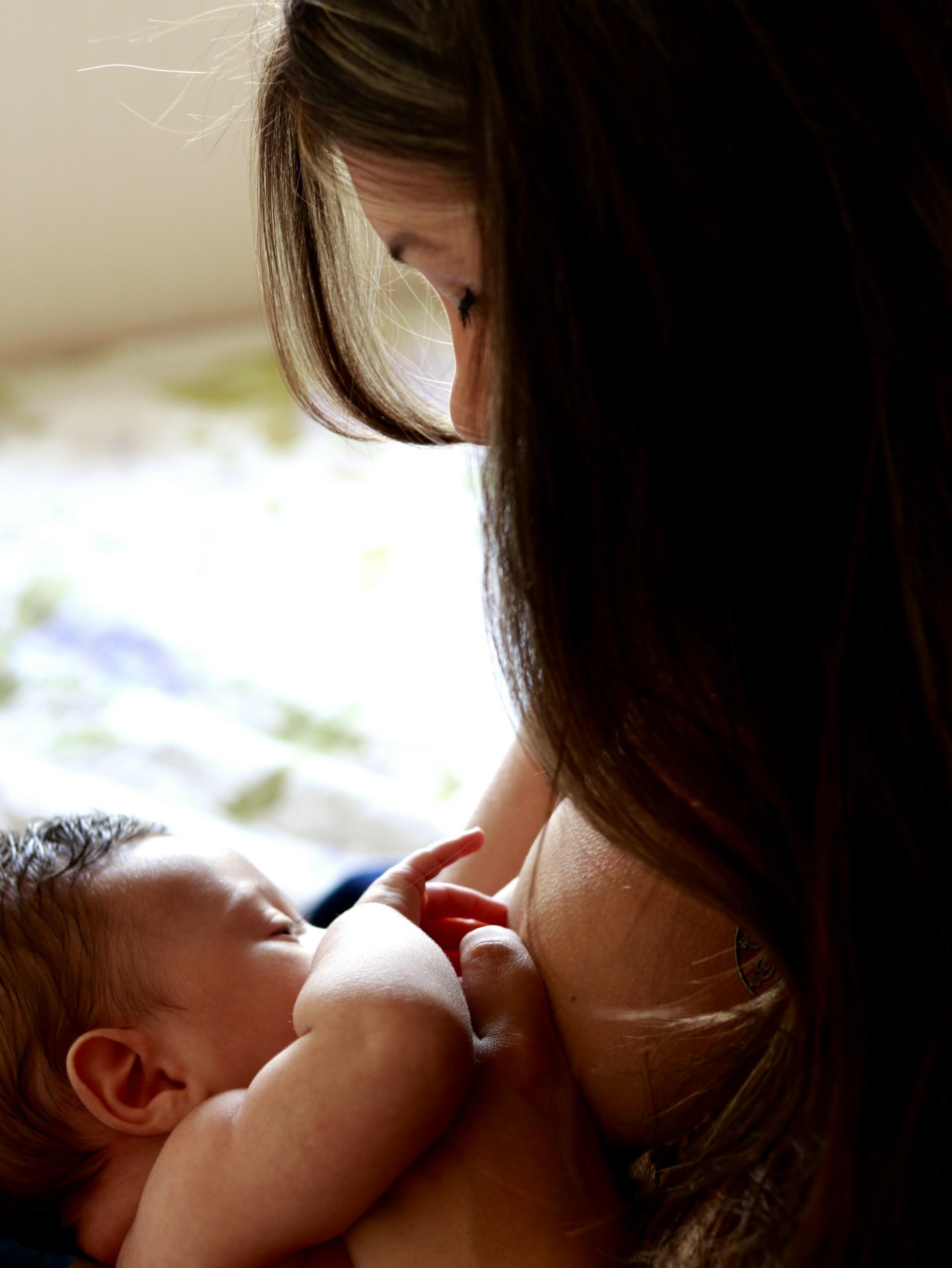
In the first couple of days, your breasts make colostrum, not large volumes of mature milk. Colostrum is small in quantity but very rich in antibodies and nutrients. So intake is limited at first, and that is expected. -
Adapting to the outside world
Your baby is adjusting from a constant supply of nutrition through the placenta to feeding in intervals. That shift alone leads to a bit of weight loss.
Midwives and health visitors in the UK are very familiar with this pattern and use the normal newborn weight loss percentage figures to decide whether to keep observing, offer breastfeeding support, or arrange a doctor review.
When do newborns regain birth weight?
You will hear this question a lot in weighing clinics: “When do newborns regain birth weight?”
For most healthy, full‑term babies:
- Weight loss peaks around day 3–4.
- After that, baby weight usually starts to stabilise or creep up as your milk “comes in”.
- By day 10–14, babies are expected to regain their birth weight.
So by the end of the second week, most newborns are either back to their birth weight or slightly above it.
If you are wondering whether your baby is on track, the midwife or health visitor will look at:
- The percentage of weight lost
- How feeding is going (latch, frequency, duration)
- Number of wet and dirty nappies
- Your baby’s general alertness and tone
If your baby has not regained their birth weight by 2 weeks, that is a point where they should be reviewed, and sometimes feeding plans are adjusted or extra checks are done. It does not automatically mean something is seriously wrong, but it does mean it is worth a closer look.
Expected newborn weight gain per week
Once your baby gets past that early dip and regains their birth weight, attention turns to baby weight gain.
Parents often ask: “How much weight should a newborn gain per week?”
For the first few months, a rough guide is:
- About 150–200 g per week weight gain in the early months
(around 600–800 g per month)
This is an average, not a weekly test you have to pass. Some weeks your baby may gain a little less, some a little more. Growth spurts, minor colds, changes in feeding patterns - all of these can cause small fluctuations.
The newborn weight chart in your baby’s red book (the UK Personal Child Health Record) uses centile lines to show a range of normal. Your baby does not need to sit exactly on the 50th centile. What matters more is:
- They roughly follow one centile line or curve
- They do not cross several centile lines downwards over a short time
If you prefer a digital view of those curves, apps like Erby can help you track measurements using the same type of centile charts you see in the red book.
How your baby’s weight is monitored
Routine checks with your health team
In the UK, baby weight is checked routinely:
- At birth
- In the first week or so by the midwife
- Around day 10–14
- At the 6–8 week check with your GP
- At later health visitor clinics, especially if there are any feeding or growth concerns
These weighings give a picture over time. No single number tells the whole story.
Health visitors will plot newborn weight measurements on the official newborn weight chart and talk you through what the line means. If there is anything concerning, they may suggest another weigh‑in or help with feeding support, often involving local breastfeeding counsellors or infant feeding teams.
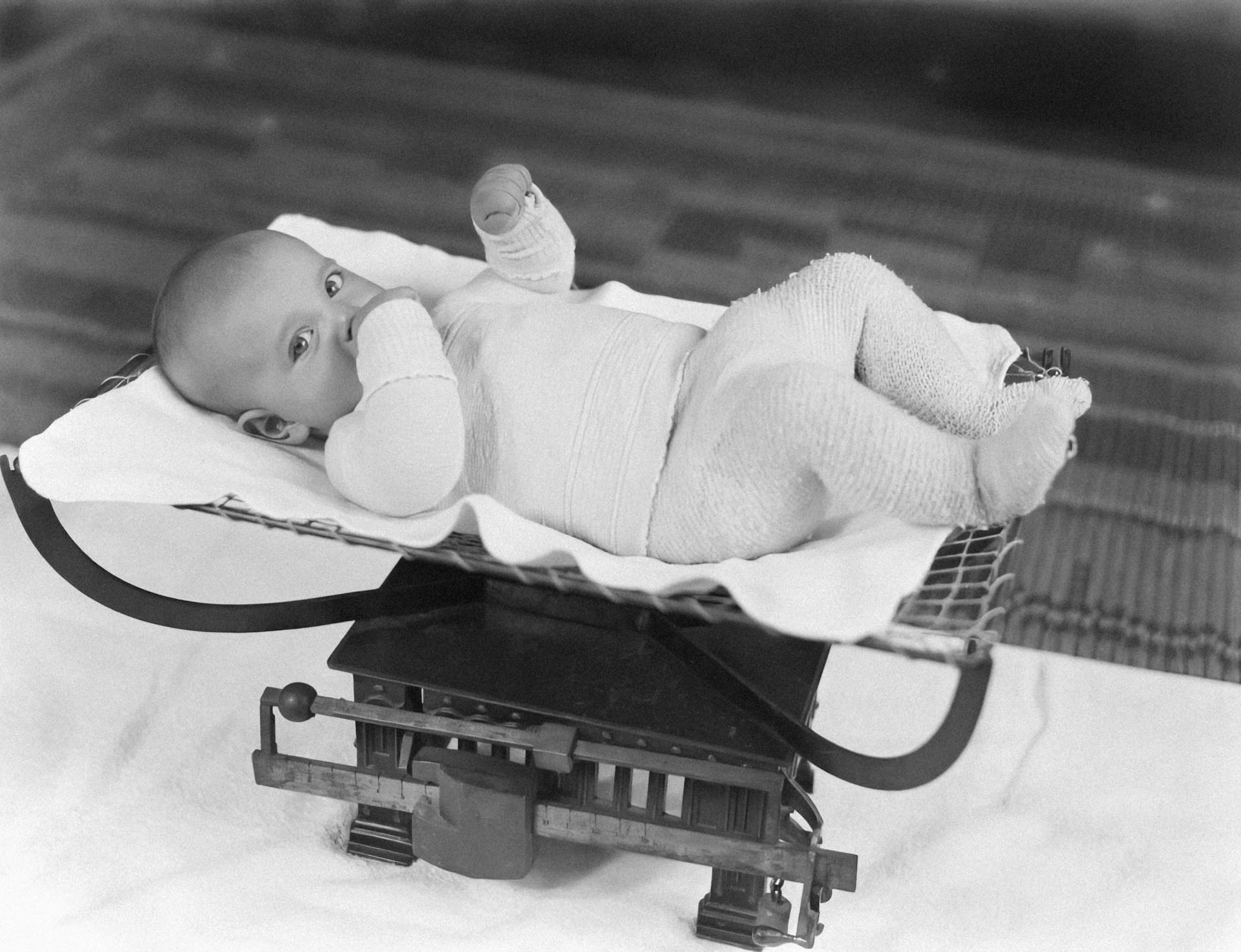
Weighing newborn at home - helpful or stressful?
The question of weighing newborn at home comes up a lot. Scales are easy to order online, and it can be tempting to check every day “just to be sure”.
For most families, daily weighing is not recommended. Here is why:
- Tiny day‑to‑day changes are normal and can drive unnecessary anxiety.
- Home scales are not always calibrated as precisely as clinic scales.
- Watching numbers obsessively can distract from the bigger picture: how your baby looks, behaves and feeds.
If you already own a baby scale:
- Use it once a week at most, ideally at the same time of day, with a similar clothing or nappy situation.
- Use the numbers as a general guide, not as a verdict on your parenting.
For reliable tracking and interpretation, the weights taken at GP surgeries, hospitals and baby clinics are usually best, then logged in the red book or an app like Erby.
What affects baby weight gain?
Not all babies gain weight at the same pace. Several factors influence newborn weight gain per week:
Feeding frequency
Young babies usually feed:
- At least 8–12 times in 24 hours if breastfed
- Every 2–4 hours if bottle fed (with some variation)
Frequent, responsive feeding helps establish milk supply and gives your baby plenty of opportunities to take in calories. Trying to stretch out feeds too early can sometimes slow baby weight gain.
Latch and feeding technique
For breastfed babies:
- A deep, comfortable latch means your baby can transfer milk effectively.
- Clicking sounds, constant slipping off the breast, or very sore nipples can suggest latch issues.
- Tongue‑tie or lip‑tie can also affect milk transfer.
For bottle‑fed babies:
- Using an appropriate teat flow
- Practising paced bottle feeding rather than forcing the bottle
- Making sure your baby is alert and well positioned for feeds
All of this affects how much milk actually goes in.
Milk supply
Your body mostly works on a supply‑and‑demand basis. The more effectively your baby removes milk, the more your breasts tend to make. Low supply can sometimes contribute to slower baby weight gain, especially if:
- Feeds are short and infrequent
- Baby is very sleepy and hard to wake for feeds
- There has been delayed initiation of breastfeeding
- You had a complicated birth or significant blood loss
Health visitors, midwives and breastfeeding counsellors (for example, via the National Breastfeeding Helpline in the UK) can support you in boosting supply if that is needed.
Baby’s health and birth history
Prematurity, jaundice, infections or underlying medical conditions can all affect newborn weight patterns. In such cases, doctors often monitor growth more closely and may use slightly different targets.
Signs your baby is gaining weight well
You do not need a scale every day to spot that your baby is growing. There are lots of reassuring signs that baby weight gain is on track:
-
Clothes and nappies
Sleepsuits starting to feel snug, poppers getting harder to close, moving up a nappy size sooner than you expected. -
Body shape
Limbs and cheeks filling out, less of that very bony, skinny look many newborns have in the first week. -
Nappy counts
After the first few days, most babies who are feeding well will have:- At least 5–6 wet nappies per day
- Regular dirty nappies, though breastfed babies can vary after the first weeks
-
Behaviour
Periods of alertness, a good strong cry before feeds that settles afterwards, and generally content spells between feeds. -
Development over time
Meeting early milestones, such as starting to focus on faces and responding to sounds.
If these signs look good and the newborn weight chart shows a gentle upward trend, you can usually relax about small ups and downs on the scale.
When to be concerned about newborn weight
There are clear times when it is sensible to seek professional advice rather than wait and see.
You should contact your midwife, health visitor, GP or 111 in the UK if:
- Your baby has not regained birth weight by 2 weeks.
- Weight gain is consistently less than about 100 g per week in the early months, especially if the weight line is dropping across centiles.
- Your baby seems very sleepy, is difficult to wake for feeds or falls asleep within a minute or two of starting.
- Nappy output is low:
- Fewer than 5 wet nappies per day after day 5
- Very dark urine or brick‑red “urates” persisting after the first few days
- You see signs of dehydration:
- Dry mouth or lips
- Very sunken soft spot on the head
- No tears when crying
- Your baby is refusing feeds or vomiting large amounts repeatedly.
Trust your instincts. If something feels “off”, it is always reasonable to ask for an extra assessment.
Using the Erby app to track baby weight
Paper charts are useful, but many parents prefer to keep things on their phone. This is where the Erby app can help.
With Erby you can:
- Log each official weigh‑in from your midwife, health visitor or GP.
- See your baby’s growth curve as a clear graph, similar to the newborn weight chart in the red book.
- Add notes about feeding changes, illnesses or growth spurts, so you can link them to changes in baby weight gain.
- Share the chart with your partner or show it easily during appointments.
Using a tool like Erby can reduce the urge to weigh your baby at home every day, while still giving you a solid picture of how newborn weight is changing over time.
A final word of reassurance
Looking at all the figures about “how much do newborns weigh” and “how much weight should a newborn gain per week” can feel overwhelming at first. Numbers can be comforting, but they can also cause a lot of worry if you stare at them in isolation.
Try to see your baby as a whole person, not just a line on a graph:
- Are they gradually filling out?
- Are nappies wet and frequent?
- Do they have some calm, content moments between feeds?
If the answer to these is mostly yes, and the professionals around you are not worried, then your baby is very likely doing well.
And if the numbers dip or stall, remember: you are not being judged. Slow baby weight gain is usually a prompt for more support with feeding and a bit of extra monitoring, not a verdict on your abilities as a parent.
Ask questions, lean on your midwife or health visitor, and use tools like the Erby app to keep track without obsessing. Your newborn’s weight is just one part of their story - and that story has only just begun.
We as the developers of the Erby app disclaim any liability for any decisions you make based on this information, which is provided for general informational purposes only and is not a substitute for personal medical advice.