Returning to Work While Breastfeeding - Practical pumping, bottle introduction and a small freezer stash plan
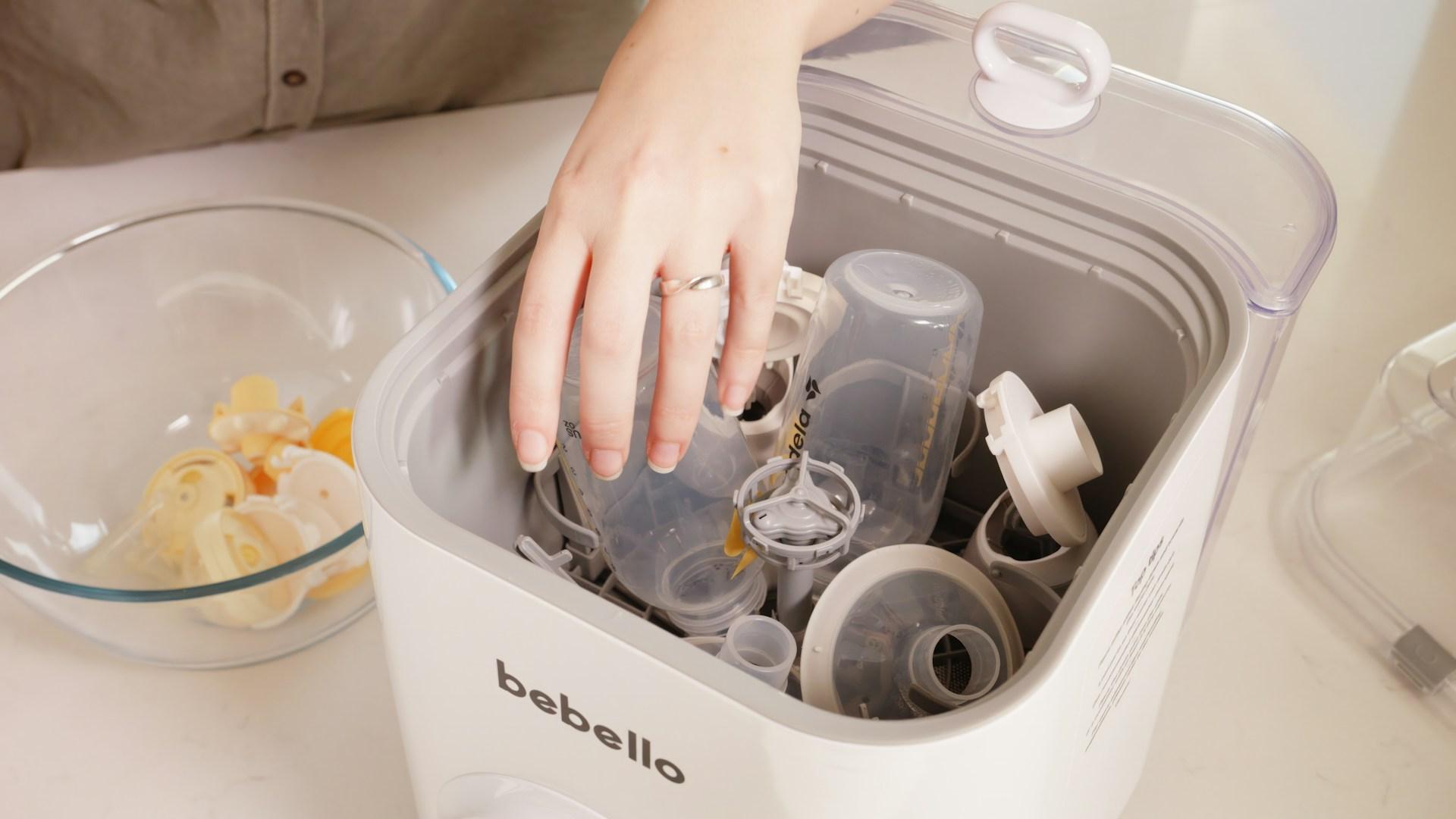
Returning to work while breastfeeding can feel like a logistical puzzle, an emotional leap, and a lot of laundry all at once. You are not expected to have every detail sorted on day one. A little planning, a workable breast pump routine, and a realistic expectation of the early weeks can make the shift far less stressful.
The goal is not to create a perfect system. It is to make sure your baby is fed, your supply is protected, and you have enough flexibility for real life, including missed trains, long meetings, daycare bugs, and the occasional forgotten pump part. Because yes, it happens.
When to Start Preparing for Returning to Work Breastfeeding
For most families, 2 to 4 weeks before you return to work is a sensible time to begin preparing. That window gives you enough time to practise without turning the final month of maternity leave into a military operation.
If your return date is fixed, work backwards. Think about:
- When your baby will start childcare
- How long your commute takes
- Whether you will be working full days, shifts, or hybrid hours
- Where you can pump at work
- Who will feed your baby while you are away
- Whether you need to introduce a bottle to a breastfed baby
You do not need to pump from the first week after birth unless there is a medical or feeding reason to do so. Early breastfeeding is mainly about learning each other, feeding responsively, and allowing supply to settle. Once feeding feels established, often around 4 to 6 weeks, many mothers find it easier to add one short pumping session a day.
Some babies take to the transition quickly. Others need more time. Starting a few weeks ahead means you can troubleshoot without panic.
How to Build a Breastmilk Freezer Stash Without Overdoing It
The phrase “freezer stash” can make new mothers picture shelves full of neatly labelled milk bags. Nice in theory. Not necessary in practice.
You do not need a massive stockpile before pumping and returning to work. Once you are back at work, you will pump milk to replace the feeds your baby has while you are apart. Your stash is simply a buffer for the first few days, a delayed pumping session, or an occasional spill.
The Best Time to Pump
For many breastfeeding mothers, the best time to pump is after the first morning feed. Milk supply is often highest earlier in the day, and babies may not take both breasts at that feed.
Try pumping once a day after your baby’s first morning feed. You may collect only a small amount at first, and that is completely normal. Aim for around 30 to 60 ml extra per session if that feels manageable. Some days you may get more. Other days, less.
Milk output from a breast pump is not a measure of your total supply. Babies are often more efficient at removing milk than a pump.
A simple routine might look like this:
- Breastfeed your baby after waking.
- Pump for 10 to 15 minutes after the feed, or while baby feeds on the other side if that feels comfortable.
- Chill or freeze the milk promptly.
- Repeat daily for one or two weeks.
With consistent pumping, 1 to 2 weeks is usually enough to build a comfortable buffer. Even a few small bags can take the pressure off your first week back.
How Much Breastmilk to Store
Wondering how much breastmilk to store is one of the most common questions before returning to work breastfeeding. A practical starting point is enough milk for one full day away from your baby, plus a little extra.
For example, if your baby usually takes three bottles while you are working, aim to have enough for those feeds and one additional bottle. Your childcare provider can then use freshly pumped milk from the previous workday as your ongoing supply.
Small portions are helpful. Freeze milk in amounts your baby typically drinks, such as 60 ml, 90 ml, or 120 ml. This reduces waste because breast milk that has been warmed for a feed may need to be used within a limited timeframe.
For safe breast milk storage, follow current guidance from the NHS or your local health authority. Label every container with:
- The date expressed
- The volume
- Your baby’s name, if milk is going to nursery or childcare
- Any allergy or dietary notes required by the setting
Store milk in the back of the fridge or freezer, where temperatures are more stable, rather than in the door.
How to Introduce a Bottle to a Breastfed Baby
Ideally, introduce a bottle when your baby is around 4 to 6 weeks old, once breastfeeding is going smoothly. Some babies accept it immediately. Others look personally offended by the entire idea.
Try not to take refusal as a sign that something is wrong.
A few strategies can make bottle practice easier:
- Ask someone else to offer the bottle. Many babies can smell their mother nearby and prefer breastfeeding if she is available.
- Choose a calm time when baby is hungry but not frantic.
- Hold baby in a semi-upright position.
- Use paced bottle feeding, with pauses, so the milk flow feels less overwhelming.
- Try a slow-flow teat at first.
- If baby refuses, experiment with different bottle shapes or nipples.
- Offer the bottle regularly, even after one successful attempt, so baby does not forget the skill.
You might start with one small bottle every day or every few days. There is no need to replace many breastfeeding sessions at once. The aim is familiarity.
Some babies accept milk better when it is slightly warmer than room temperature. Others prefer it cool. Babies, like adults, have opinions.
If bottle refusal becomes persistent and your return date is getting close, speak with an infant feeding specialist, health visitor, lactation consultant, or your GP. There may be a simple adjustment that helps.
Create a Pumping Schedule for Work
A reliable pumping schedule for work helps protect your milk supply and keeps you more comfortable during the day. In general, aim to pump every three hours, or roughly whenever your baby would normally feed.
If your baby usually feeds at 7 am, 10 am, 1 pm, and 4 pm, your workday plan might include pumps around 10 am, 1 pm, and 4 pm. You can breastfeed before drop-off and again after pickup.
Your exact timetable will depend on your job. A teacher may need to pump during break times. A nurse might pump before or after a ward round. Someone working from home may be able to nurse directly during a lunch break. There is no single correct approach.
A Sample Maternity Leave Pumping Plan
Before your first day back, sketch out your likely schedule.
| Time | What to do |
|---|---|
| Before leaving home | Breastfeed baby |
| Mid-morning | Pump for 15 to 20 minutes |
| Lunch break | Pump for 15 to 20 minutes |
| Mid-afternoon | Pump for 15 to 20 minutes |
| After pickup or at home | Breastfeed baby |
| Evening | Feed responsively as usual |
A double electric breast pump can save a great deal of time, especially if you will be expressing more than once daily. Most sessions take around 15 to 20 minutes, though setup and cleaning add a little extra time.
Block out pumping sessions in your work calendar before you return. Treat them like appointments. You would not repeatedly skip an essential medical appointment for a non-urgent meeting, and pumping deserves similar protection.
How to Pump at Work: Practical Setup and Storage
The first few times you pump at work may feel awkward. Then it becomes part of your routine, like making tea or checking your inbox.
A basic work pumping kit should include:
- Your breast pump and charger or batteries
- Pump flanges and spare valves or membranes, if available
- Bottles or breast milk storage bags
- A cooler bag with ice packs
- Labels and a waterproof pen
- Nursing pads
- A hands-free pumping bra
- A small wash bag for parts
- A spare top, just in case
- A photo or video of your baby
A hands-free bra is particularly useful if you need to answer emails, eat lunch, or simply sit with both hands free while pumping. Not glamorous. Very practical.
Breast Milk Storage at Work
After expressing, transfer milk into clean bottles or storage bags, label it, and place it in a fridge if one is available. If there is no suitable fridge, store the milk in a cooler bag with frozen ice packs until you get home.
For breast milk storage, keep the cooler bag closed as much as possible. At the end of the day, take the milk home promptly and refrigerate or freeze it according to current safety guidance.
If you share a workplace fridge, place your labelled milk in an opaque bag or container if that makes you feel more comfortable. You do not owe anyone an explanation.
The Pumping Room Matters
You need access to a private, clean room with a power outlet. A bathroom is not an appropriate pumping space. It is unhygienic, uncomfortable, and not a reasonable place to prepare food for a baby.
If possible, ask before your return:
- Is there a lockable private room?
- Is there a chair, table, and plug socket?
- Is there a fridge nearby?
- Can you reserve the space at set times?
- Who should you contact if the room is unavailable?
These details are the kind that make a huge difference on a busy Tuesday.
Managing Supply During the Transition
Your body may need a week or two to adjust to the new feeding pattern. Some mothers notice a temporary supply dip when they return to work, especially if pumping sessions are rushed, skipped, or stressful.
Keep nursing whenever you are together. A helpful pattern is to:
- Breastfeed before drop-off
- Breastfeed soon after pickup
- Offer feeds in the evening and overnight as your baby needs
- Nurse fully and responsively on days off
Weekend breastfeeding can feel intense at first, especially if your baby wants frequent feeds after being apart all week. This is often normal “reconnection feeding”, not a sign that your milk has disappeared.
If you notice a drop in pumping output, try adding one temporary session. You might pump after the morning feed, add a short evening session, or pump for a few minutes after nursing. Check that your pump parts are working properly too. Worn valves can quietly reduce suction.
Hydration, regular meals, and rest where possible can help you feel better, but there is no magic biscuit or tea that replaces frequent milk removal. The main driver of supply is effective, regular feeding or pumping.
Emotional Preparation: The Part Nobody Can Put on a Checklist
Separation anxiety is normal. You may feel excited to use your adult brain again, relieved to have a coffee while it is still hot, sad at drop-off, and guilty about feeling relieved. All of those feelings can exist together.
The first morning can hit hard. Pack your bag the night before, leave extra time, and keep expectations low. You are doing something new.
Some mothers find that looking at photos or short videos of their baby helps with letdown while pumping at work. A babygrow that smells like your little one can also help, though it may make you cry the first time. That is okay too.
It does get easier. Not always instantly, and not in a straight line, but the routine becomes familiar. You learn which meetings run long, which pump sessions need guarding, and exactly how many spare nursing pads belong in your desk drawer.
Know Your Workplace Rights
Many countries and regions require employers to provide reasonable time and a suitable private space for breastfeeding employees to express milk. Before returning, read your company policy and check the rules that apply where you live.
In the UK, pregnant and breastfeeding employees have protections under health and safety and equality law. Employers should assess workplace risks for new and breastfeeding mothers and make reasonable adjustments where needed. ACAS and the Equality and Human Rights Commission provide useful guidance, while the NHS has infant-feeding information for families.
If you are elsewhere, look at your national labour authority, union, or local breastfeeding organisation. Rights vary, particularly for shift workers, self-employed mothers, and people on temporary contracts.
Be clear and factual when speaking with your manager. You could say:
“I will need to express breast milk around every three hours during the day. I would like to agree a private room with a plug socket and suitable breaks before I return.”
You are not asking for special treatment. You are planning for a normal health and feeding need.
A Gentle Transition Schedule
If your employer and childcare arrangements allow it, ease in gradually. The first week does not have to be all or nothing.
Week 1: Half Days if Possible
Start with half days or shorter shifts. This gives your baby time to adjust to bottles and childcare, while you get used to pumping away from home.
Week 2: Increase Gradually
Move towards longer days, perhaps adding an extra hour or two at a time. Keep your pumping schedule consistent, even if your work hours are still changing.
Week 3 and Beyond: Refine the Routine
By now, you will have a clearer sense of what works. Maybe your first pump needs to happen earlier. Maybe you need a second set of pump parts. Maybe your baby drinks less at nursery than expected and makes up for it in the evening.
That is normal. Working mom pumping tips are useful, but your own experience is the best guide.
Pumping and returning to work is a transition, not a test you can fail. Prepare your kit, build a modest milk buffer, practise the bottle, and protect time to pump. Then give yourself room to learn as you go.
We as the developers of the Erby app disclaim any liability for any decisions you make based on this information, which is provided for general informational purposes only and is not a substitute for personal medical advice.