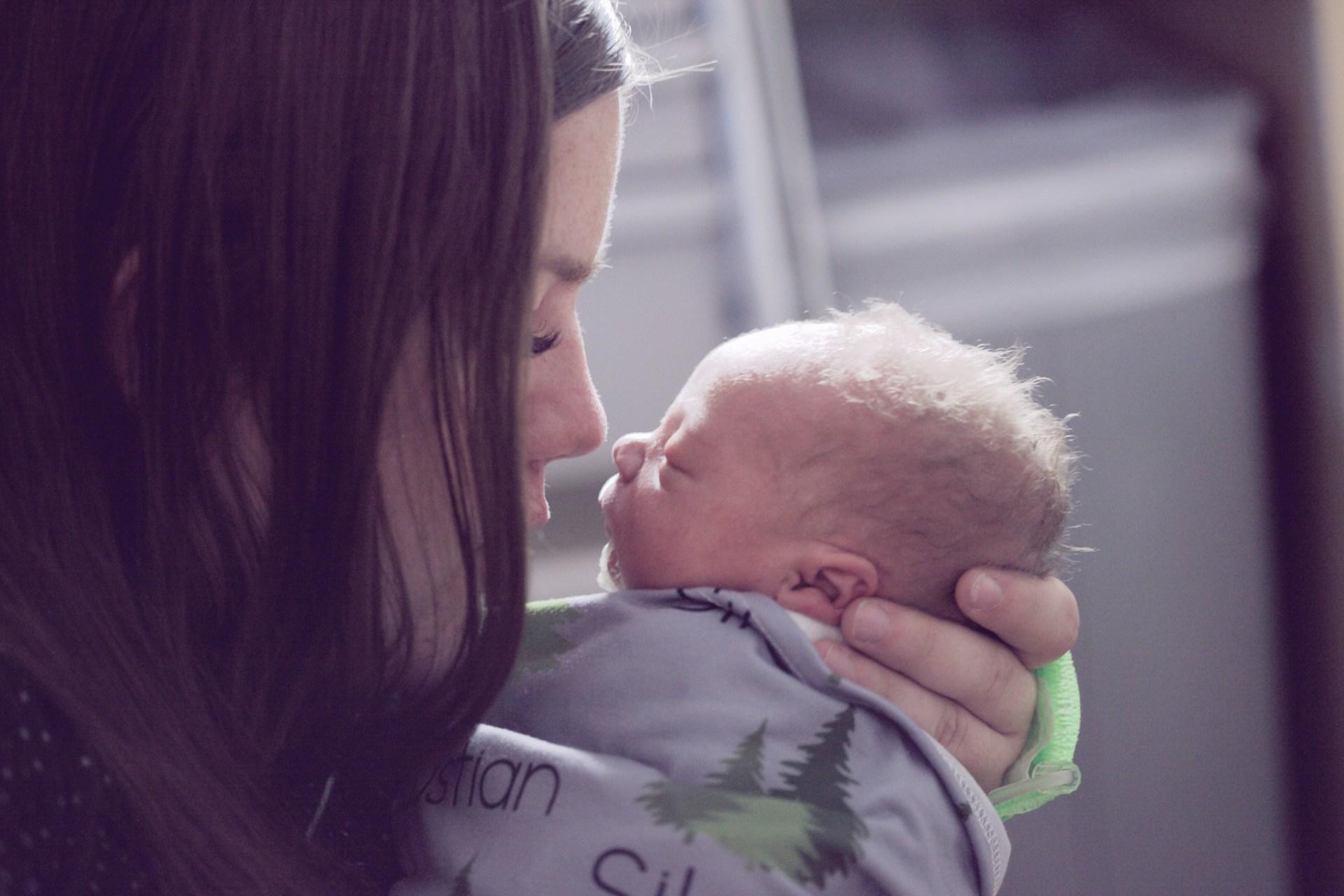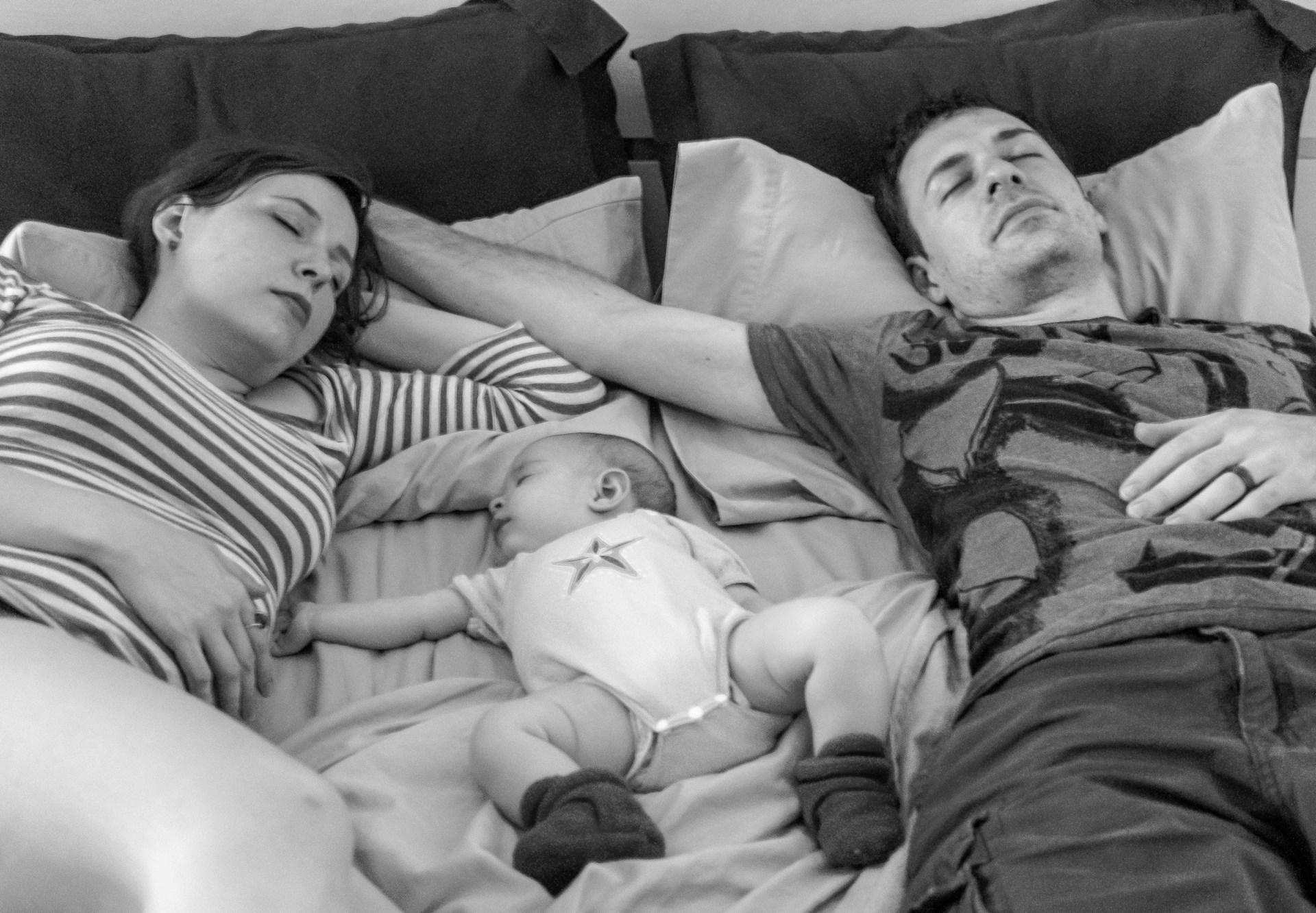
Half of parents swear they will never sleep with their baby in their bed. Then week three hits, the baby will only settle on a warm chest, and suddenly everyone is dozing on the sofa at 3 a.m.
Co-sleeping is one of those topics that can make new parents feel judged from every angle. Yet behind the debates, the reality is simple: many families end up co-sleeping at some point, whether they planned to or not. Planned, informed co-sleeping is usually safer than nodding off accidentally with your baby in a risky place.
This article looks at co-sleeping with a safety-first, no-guilt lens. We will cover what the research says, the official AAP co-sleeping recommendation, the potential co sleeping benefits, the real co sleeping risks, and practical co sleeping rules if you decide to bed share. We will also talk about room-sharing and bedside cribs as the safest middle ground.
You know your baby and your home. The goal here is not to tell you what to do, but to give you clear information so you can make an informed choice that feels right and safe for your family.
What do we mean by co-sleeping and bed sharing?
People often use the word «co-sleeping» to mean different things, which is confusing if you are trying to work out: is co sleeping safe or not?
There are two main setups:
Room sharing vs bed sharing
-
Room sharing
Your baby sleeps in the same room as you, but on a separate surface: crib, bassinet, pack‑and‑play, bedside/sidecar crib.
This is the arrangement recommended by the American Academy of Pediatrics (AAP) for at least the first 6 months, ideally up to 12 months. -
Bed sharing
Your baby sleeps on the same mattress as you, usually right next to you. This is what many people mean when they say «co sleeping with baby». It can feel very natural, especially for co sleeping breastfeeding mothers, but it carries specific risks.
In this article, co-sleeping will mean any arrangement where the baby sleeps close to a parent. When we talk about bedsharing risks, we mean baby and parent on the same sleep surface.
The reality: many parents co-sleep, planned or not
If you feel you are the only one who ends up nodding off with your baby beside you, you are not.
Surveys in the US and UK suggest that a large proportion of parents bed share at least sometimes in the first year. Some do it every night. Others end up co-sleeping accidentally during growth spurts, illness, or the 4‑month sleep regression.
Common situations:
- You start the night with baby in a bassinet, but bring them into bed at 4 a.m. to get some sleep.
- Breastfeeding in bed, then you both drift off before you mean to.
- Sitting on the sofa with baby on your chest, waking up an hour later in a panic.
From a safety point of view, planned is safer than accidental. If there is even a chance you might fall asleep with your baby:
- It is safer to prepare a low-risk bed sharing setup in your bed
- Than to unintentionally fall asleep on a sofa or in a recliner, which carries a much higher risk of suffocation and co sleeping SIDS.
This is why many safe co-sleeping guidelines exist: not to «promote» bed sharing, but to protect babies in real situations parents already find themselves in.
The AAP co-sleeping recommendation: room share yes, bed share no
The AAP co-sleeping recommendation is very clear:
- Yes to room sharing: keep baby in your room, close to your bed, for at least the first 6 months, ideally up to 1 year.
- No to bed sharing: do not sleep on the same surface as your baby, especially in the first 4 months.
Why this advice?
Why room sharing is encouraged
Research from several countries shows that room sharing without bed sharing can reduce the risk of Sudden Infant Death Syndrome (SIDS) by as much as 50 percent.
Possible reasons:
- Parents notice early signs of distress or overheating.
- Feeding is easier at night, which keeps baby regularly roused from deep sleep.
- Parents can respond faster to changes in breathing or sound.
So if you are wondering «is co sleeping safe at all», the safest form of co-sleeping is actually room sharing with separate sleep surfaces.
Why bed sharing is not recommended
The AAP looks at population-level risk. When they look at all cases together, bedsharing is linked to a higher risk of SIDS and accidental suffocation, especially in babies under 4 months.
Major concerns:
- Soft mattresses and pillows that can block a baby’s airway.
- Adult duvets and thick blankets that can cover the baby’s head.
- A sleeping adult rolling over onto a baby.
- Gaps between the mattress and wall, headboard, or furniture where a baby can become trapped.
In real homes, with tired parents and cluttered beds, these hazards are very common. That is why the official line is «do not bed share».
At the same time, many experts also accept that some families will still choose to bed share, particularly breastfeeding mothers who find it helps them continue co sleeping breastfeeding overnight. That is where safe co-sleeping guidelines, like the Safe Sleep Seven, come in.
Co sleeping benefits: why some parents choose it
If bedsharing risks exist, why do parents still do it? Because, for some families, the benefits feel significant.
1. Easier night-time breastfeeding
For many breastfeeding mothers, co sleeping breastfeeding can:
- Reduce how fully awake you need to become for each feed.
- Make it easier to feed on demand.
- Help maintain milk supply during growth spurts.
- Shorten the time baby spends crying and fully alert at night.
When baby is next to you, feeds can be calmer and quicker. You may feel less like you are «doing shifts» and more like feeding is woven into your sleep.
2. More sleep for parents (sometimes)
Not for everyone, but for many:
- You may spend less time fully awake settling the baby.
- You do not have to get out of bed to comfort or feed.
- Some parents report feeling more rested even with frequent wakings, because the wakings are shorter and gentler.
Of course, some parents sleep worse when baby is in their bed, because they are hyper-alert. That is valid too. Your temperament matters.
3. Bonding and emotional comfort
Being very close at night can support:
- Comfort for a baby who startles or cries when alone.
- Emotional reassurance for parents after a traumatic birth or NICU stay.
- A sense of closeness that aligns with cultural or personal values.
In many cultures globally, bed sharing is simply how families sleep. In Western countries, the conversation around co-sleeping is more medicalised, but the emotional side still counts.
The key question is not just «are there co sleeping benefits» in theory, but do the benefits outweigh the risks for your situation? That depends a lot on your baby’s health and your family’s risk factors.
Bedsharing risks: when co-sleeping with baby is especially dangerous
Every sleep decision is a balance of risk. Some situations make co sleeping risks much higher. In some of these, experts would say very clearly: do not bed share at all.
Main bedsharing risks
-
Suffocation or smothering
- Baby’s face pressed into a pillow, duvet, or an adult’s body.
- Baby rolling into a soft mattress or cushion that covers nose and mouth.
- An adult’s arm or body blocking baby’s airway.
-
Overlay
A sleeping adult accidentally rolls onto the baby or traps the baby in a position where they cannot breathe properly. This is more likely if the adult is in a deep sleep, is very tired, or has used sedating medication, alcohol, or drugs. -
SIDS (Sudden Infant Death Syndrome)
There is a known association between co sleeping SIDS and bed sharing, especially:- In babies under 4 months.
- When combined with other risk factors such as smoking or unsafe bedding.
Situations that make bed sharing especially dangerous
If any of the following apply, bedsharing is considered unsafe:
-
A smoker parent
This includes:- If you smoke now.
- If anyone else smokes in the home.
- If you smoked during pregnancy.
Smoking changes how babies respond to low oxygen, so bed sharing SIDS risk is significantly higher.
-
Alcohol or drug use
If you or your partner:- Drank alcohol.
- Took recreational drugs.
- Used strong painkillers, sleeping tablets, or sedating medications.
These substances make you sleep more deeply and reduce your awareness of the baby beside you.
-
Premature or low birth weight baby
Babies born early or under about 2.5 kg (5.5 lb) have more fragile breathing control and are more vulnerable to co sleeping SIDS. For these babies, most guidelines strongly say: avoid bed sharing altogether, especially in the first months. -
Very soft or unsafe sleep surface
Examples:- Soft mattress that dips under the baby.
- Memory foam mattress that moulds around the baby’s face.
- Sofa, armchair, beanbag, waterbed.
Sofas and recliners are especially high risk. Many tragic incidents have happened when a parent falls asleep with baby on a couch or in a chair.
If any of these high-risk factors are part of your life right now, the safest choice is:
- Room sharing with a separate crib or bassinet.
- Or a bedside/sidecar crib that lets baby be close, but not in your bed.
The Safe Sleep Seven: co sleeping rules for those who bed share
Some parents, even after knowing the risks, decide that bed sharing feels necessary for breastfeeding, maternal mental health, or cultural reasons. If that is you, you deserve clear, practical information on co-sleeping safety rather than scare tactics.
The Safe Sleep Seven is a set of co sleeping rules that aim to reduce risk when parents choose to bed share. They do not make bedsharing risk-free, but they help make it safer.
For bed sharing to be considered relatively lower risk, all of these should be true:
-
You are breastfeeding
Breastfeeding parents tend to sleep in a «C» shape around the baby, with knees up and arm above the baby’s head, which naturally creates a protective space. Breastfed babies also wake more frequently, which may lower SIDS risk. -
You are a non-smoker
No smoking during pregnancy and no smoking in the home now, by you or anyone else. -
You are sober and unimpaired
No alcohol, drugs, or sedating medication before sleep. You should be alert enough that if you heard a loud noise, you would wake. -
Baby is on their back
Always place baby on their back for sleep, never on their front or side, even when co-sleeping with baby in your bed. -
Baby is lightly dressed and not overheating
Use a baby sleep sack or light clothing. Avoid over-bundling and thick hats indoors. -
On a firm, flat mattress
- No sofa, recliner, or armchair.
- No memory foam toppers or very deep, soft mattresses.
- No big gaps between mattress and wall, or headboard.
-
No soft or loose bedding near baby’s face
- Keep pillows, duvets, and heavy blankets away from the baby.
- Some parents use their own duvet tucked under their waist, keeping it away from baby’s head, and dress baby warmly enough that the baby does not need adult bedding.
In practice, safe co-sleeping guidelines often suggest:
- Placing baby next to the breastfeeding mother, not between two adults.
- Ensuring older children and pets are not on the bed with the baby.
- Keeping the bed low to the ground to reduce fall risk.
Again, the safest option remains a separate sleep surface. But if bed sharing is likely to happen, following the Safe Sleep Seven is far safer than drifting off with baby on a sofa or under a thick duvet by accident.
The safest compromise: bedside / sidecar crib
If you want to keep your baby within arm’s reach but not in your bed, a bedside crib (sometimes called a sidecar cot or co-sleeper crib) is often the best middle ground.
What is a bedside crib?
- A small crib or bassinet that attaches securely to your bed.
- One side is open or lower, so you can reach the baby easily from your bed.
- Baby still sleeps on a separate, firm mattress with no adult pillows or bedding.
This setup gives several advantages:
- Baby is close for feeding and comforting.
- You can often just stretch out your arm to settle them.
- You do not need to stand up for every feed, which helps recovery after birth or surgery.
- Co-sleeping newborn safety is improved compared with bed sharing, since the baby has their own surface.
Practical tips for a safe bedside crib
-
Check the height
Crib mattress should be level with your mattress, with no gap where baby could roll and get trapped. -
Attach it securely
Use the straps or fixings provided by the manufacturer. Do not just push it against the bed and hope it stays. -
Keep it clear
No pillows, stuffed animals, bumpers, or thick blankets in the crib. -
Watch your own bedding
Make sure duvets and pillows do not hang over into the baby’s space.
This option suits many parents who like the idea of co-sleeping benefits such as easier breastfeeding and closeness, but want to avoid the higher co sleeping risks of sharing the same mattress.
Practical tips: making each approach safer
Every family ends up with their own mix of strategies. Here are practical ideas to increase co-sleeping safety, whatever you choose.
If you are room sharing without bed sharing
-
Use a firm, flat sleep surface
Crib, bassinet, or pack‑and‑play with a firm mattress and fitted sheet. -
Back to sleep
Place your baby on their back every time for sleep, nap or night. -
Keep the sleep area bare-bones
- No bumpers.
- No pillows under baby’s head.
- No loose blankets. Consider a sleep sack instead.
-
Watch room temperature
Aim for a comfortable room, not too hot. Overheating is a known SIDS risk. -
Keep baby close
Place the crib right next to your bed if possible, so you can reach in from lying down.
If you are bed sharing
Alongside the Safe Sleep Seven, consider:
-
Create a «baby zone»
Baby sleeps next to the breastfeeding parent, away from the partner and away from the edge. Some parents use a firm rolled towel under the fitted sheet to create a small barrier, but avoid anything loose. -
Ditch thick bedding
Use lighter blankets or a duvet only up to your waist. Dress yourself warmer if needed. Baby should not be under your duvet. -
Tie back long hair and remove jewellery
To avoid anything wrapping around baby’s neck or face. -
No swaddling in bed
Swaddled babies may find it harder to move away from hazards. If you bed share, use a sleep sack instead of swaddling. -
Plan for naps too
The same safe co-sleeping guidelines apply during daytime naps, not just at night. -
Have a backup
If you have had a drink, taken medication, or are utterly exhausted, plan to use a crib or bassinet instead that night.
If you sometimes fall asleep feeding
Maybe you do not intend to co-sleep with baby in bed, but know you regularly feed lying down. In that case:
- Prepare your bed as if you might fall asleep: firm mattress, no loose pillows or heavy duvets near baby, no gaps.
- Avoid feeding on sofas or recliners at night, or set an alarm if you must, to reduce the chance of deep sleep.
- If you feel yourself nodding off in a chair, move yourself and baby to a safer surface as soon as you can.
No judgment, just informed choice
Co-sleeping can be a loaded topic. People often share very strong views, sometimes based on one personal experience or one article they read at 2 a.m.
You are allowed to make different choices:
- You might start with strict separate sleep and later decide that gentle, planned bed sharing is what saves your sanity.
- You might bed share with an older baby but not a newborn.
- You might never feel comfortable having your baby in your bed, and that is entirely valid.
The question is not «Is co sleeping safe or unsafe?» as a yes or no. It is:
- What are the specific co sleeping risks in my situation?
- What co sleeping benefits matter to me and my baby right now?
- How can I reduce risks as much as possible whichever setup I choose?
If your decision changes over time, that is not failure. That is responsive parenting.
If you are still unsure, you can:
- Talk to your pediatrician or family doctor frankly about bed sharing and ask about your baby’s individual risk factors.
- Speak to a certified lactation consultant about safe co sleeping breastfeeding positions and options like bedside cribs.
- Read from balanced sources that discuss both risks and benefits instead of only one side.
You deserve sleep, and your baby deserves safety. With clear information, thoughtful choices, and some practical co sleeping rules, most families find a way through those long nights that works for everyone.
We as the developers of the Erby app disclaim any liability for any decisions you make based on this information, which is provided for general informational purposes only and is not a substitute for personal medical advice.